Showing posts with label herbal medicine. Show all posts

Wednesday, 20 September 2017

Ayurvedic Anti-Aging Principles Extend Animals' Lives Too

The field of antiaging and longevity may have gained recognition in recent years, with new techniques and concepts such as stem cell therapy and epigenetics. However, life extension has its roots in ancient times, including in the South Asian tradition of natural medicine known as Ayurveda. Considering that worldwide life expectancy was under 30 until the beginning of the 20th century, do these traditional practices actually work? They may, as poor life expectancy was tied to high poverty and low literacy rates, not the use of herbal medicine.

In a 2010 preclinical study, researchers set out to find whether or not this was the case, by comparing Drosophila flies on a standard yeast diet versus the addition of a rasayana supplement. The Shushruta Samhita, Ayurveda's second great text, describes rasayanas as designed to "retard ageing as much as possible, even to zero”. The Sushruta also describes rasayanas as “reversing naturally occurring senility” (swabhava vyadhi nivarana) and so “preventing death” (marana nivarana).  The study of longevity is said to be "only achievable at the most refined levels attained during intense meditation". The species Drosophila melanogaster is commonly used to study human aging and longevity, as we share many of the same genes that affect these issues.

In the control group of the first experiment, lifespan ranged from 40 days at minimum to a maximum lifespan of 53 days. In the group given the rasayana supplement, lifespan ranged from a minimum of 81 to a maximum of 91 days. The second experiment used more flies, in order to see if there were any sex-specific effects. Male flies given the supplement lived just over 80 days, compared to 52 days in the control group. Female flies in the control group lived only 53 days, but if they were given the supplement, their average lifespan increased to 80 days too. This was an average increase in lifespan by 51-55%, which was even longer than the 35% increase attributed to the breeding of "Methuselah" flies.

If this were to be successful in (very long-term) trials, this could have profound benefits to our health and the costs of healthcare. Traditional herbal formulas, along with diet and lifestyle changes, may be less expensive than pharmaceutical medicine, carry far fewer side effects, and are more focused on prevention. Improved length and quality of life by several decades would mean so much to so many people, as you cannot replace an individual or lost time.

Friday, 19 May 2017

Could Herbal Birth Control Be Available Soon?

Natural systems of medicine, such as European naturopathy, traditional Chinese medicine and Ayurveda, are very popular among couples struggling with infertility. But what about those of us who don't want children? Conventional methods of birth control include hormonal drugs, which often cause nasty side effects, implants and surgery - but what if there was a more natural approach, one with side benefits?

It turns out that this could become a possibility. Centuries before the oral contraceptive pill was approved in 1960, women tried all sorts of methods to prevent unwanted pregnancy. Staunch supporters of modern medicine (only) like to point and laugh at use of crocodile dung and cat testicles, but there were much more pleasant remedies around. One of these is the thunder god vine, also known as Tripterygium wilfordii in scientific circles. In a research article published on the 15th of May, 2017, scientists at the University of California describe exactly how two phytochemicals present in the medicinal herb can prevent fertilisation.

Cycle tracking beads. Source: Dellex.
When a sperm cell travels through the female reproductive system, its flagellum (whip-like tail) lets it swim forward. If it finds an egg, this flagellum must go into a "drilling" mode to allow it to penetrate through the egg's jelly lining. The drilling mode is impossible without a reaction between progesterone and a protein that sperm produce called ABHD2. Pristimerin and lupeol, two phytochemicals found in thunder god vine, were able to block this reaction. Only a tiny amount of these were required to prevent fertilisation - about 10 times less than the amount of levonorgestrel in Plan B. This also explains why infertility is often reported after the herb's more common use as a natural anti-inflammatory for problems such as arthritis. In the future, these, either isolated or maybe as part of a standardised herbal extract, could become a low-dose, safer form of birth control for both genders. Unfortunately, human clinical trials are years away.

There are also other forms of "natural family planning", such as the Billings ovulation method, which are free of side effects, but may be less reliable. In a small study, 15 Turkish women monitored their fertility across 30 menstrual cycles using both the Billings method and urinary levels of luteinising hormone (LH), which spikes during ovulation. The Billings method detected a potentially fertile period of 10 days, with a "peak" in the cervical mucus sign on day 13 (as an average, day 13.65). The surge of LH that accompanies ovulation also peaked on day 13 (as an average, day 13.65), and lasted for five days. This association was deemed significant, and it was concluded that women can use this method effectively. However, it is a small study, and every woman is different. According to the World Health Organisation (1981, sourced from Wikipedia), this method is at least 97% effective with "perfect use", and 77-99% effective with "typical use". In other words, it seems best to stick to the Billings method's precise rules, and probably use a condom as well. So, in conclusion, you don't have to put up with birth control side effects just because you were born as an opposite sex-attracted woman. However, you do need the correct training to use natural family planning methods, and will probably have to wait several years for proven herbal methods.  This article is not intended to be birth control training or advice, it is just for general information.

Monday, 13 March 2017

Three Herbs and Spices That May Help With Weight Loss

Living in a world of over-convenience and seemingly addictive sugary, processed foods, being overweight or obese is sadly the new normal for many. Conventional methods of losing weight, in other words being told "just eat less" and "cut out fat" just aren't working, and sometimes just finding the motivation to go outside and exercise is a battle itself, with concurrent chronic conditions also common. But what if there was a weight loss tool that could both taste great and work in a holistic manner?

Source: Simon A. Eugster
It turns out that some spices, often simply seen as a way to improve taste and bring another culture into the recipe, may actually aid weight loss. One of these is turmeric, commonly used in South Asian cooking. A randomised, controlled clinical trial tested the effects of curcumin, the "main" active constituent of turmeric, on 44 overweight people with metabolic syndrome who were not doing well with losing weight. After the 30 days, curcumin increased monthly weight loss from 1.88% on average to 4.91%, increased body fat reduction from 0.7 to 8.43% and increased waist circumference reduction from 2.36% to 4.14%. Waistline and body fat reduction is particularly important, as these go beyond simply fitting "beauty standards". Abdominal fat, or visceral fat, is in many ways a functioning endocrine organ. It produces inflammatory immune chemicals, which promote insulin resistance, which promotes abdominal obesity. Abdominal fat can also produce relatively large amounts of an enzyme that activates cortisol, which breaks down proteins (such as that in muscles and bones!) and promotes obesity. Curcumin has other anti-inflammatory effects too, and as inflammation causes pain and fatigue, reducing it may help you gain the motivation to go outside.

Coming back to European cooking, rosemary is another possible fat fighter. In an animal study, mice were given either a low-fat diet, a high-fat diet on its own or a high-fat diet supplemented with rosemary extract. Compared to the high-fat diet alone, supplementing with rosemary extract reduced weight gain, circulating liver enzymes, liver weight, blood glucose and insulin levels. This means rosemary extract may protect against fatty liver disease and diabetes. Rosemary extract also significantly reduced advanced glycation end-products and the expression of liver receptors for them. These are hard-to-remove substances that get tangled in tissues, disrupting their structure and function while creating a vicious cycle of damage and inflammation. They are thought to be behind much of the aging process. However, this is only an animal study, we need human clinical trials to confirm these benefits.

Now let's go somewhere in between these two regions, Iran. Dill is a now-common herb used in cooking and medicinally for its effects as an aromatic digestive herb (Phytotherapy Desk Reference). Now, a recent study on mice suggests that dill extract could also help with the often-elusive willpower needed to cut excessive kilojoule intake. A significant drop in body weight and food intake was seen over five weeks of dill seed extract administration, alongside a significant rise in serotonin. Serotonin promotes a sense of satiety; if you have enough serotonin, you know when to stop eating. As this was another animal study, we need human clinical trials to confirm these effects in people. Overall, herbs and spices may be an important missing link in your efforts to lose weight, although extracts available from natural health practitioners seem to be the only products of the necessary strength.

Thursday, 15 December 2016

Fight Stress This Holiday Season with Adaptogens

Unfortunately for many, the holidays, whether it be Christmas, Chanukah or something else, can be more stressful than actually enjoyable. Travelling to visit relatives, family conflicts, all of this can have a nasty impact on our health. As Life Extension states, before listing some of the effects of stress, as many as 75-90% of visits to primary health care providers could be related to acute and chronic stress. It is chronic stress that is particularly horrible. Chronic stress causes harmful changes to the intestinal bacteria, which help to regulate not only digestion but also immunity and inflammation. Psychological stress has been found to be the strongest risk factor for cardiac events (e.g. heart attacks) in people with coronary artery disease. It can also impair immunity, increasing vulnerability to viral infections and even cancers. Another alarming study showed that stress can even shorten telomeres; these are protective caps of DNA on our chromosomes, which contribute to aging as they shorten.

Bacopa. Source: JM Garg
Where do adaptogens come in? Adaptogens are a type of medicinal herb that improve our resistance to stress, and increase our mental and physical strength. They each work in different ways, and have varying effects, but can all help protect us from the harmful effects of chronic stress.

Ashwagandha, or Withania somnifera, has been used for centuries in Ayurvedic medicine as a rasayana, an antiaging, pro-longevity remedy. Its 'specialty' is physical performance. In a study of healthy, athletic adults, taking 300mg of ashwagandha twice a day doubled their oxygen consumption after 12 weeks, compared to the placebo group. Increased oxygen consumption indicates better cardiovascular endurance. In a second study, volunteers taking 300mg twice daily showed greater improvements in muscle strength compared to the placebo group. After only eight weeks, the men taking ashwagandha could bench-press 101 pounds, compared to 58 pounds; they could also lift 31.9 pounds in leg-extension exercises, compared to 21 pounds. Biochemical test results showed that men taking ashwagandha had a greater reduction of exercise-induced muscle damage, a greater reduction in body fat and...a 4.3 times increase in testosterone levels! This could mean a lot for women going through menopause, and men going through andropause.

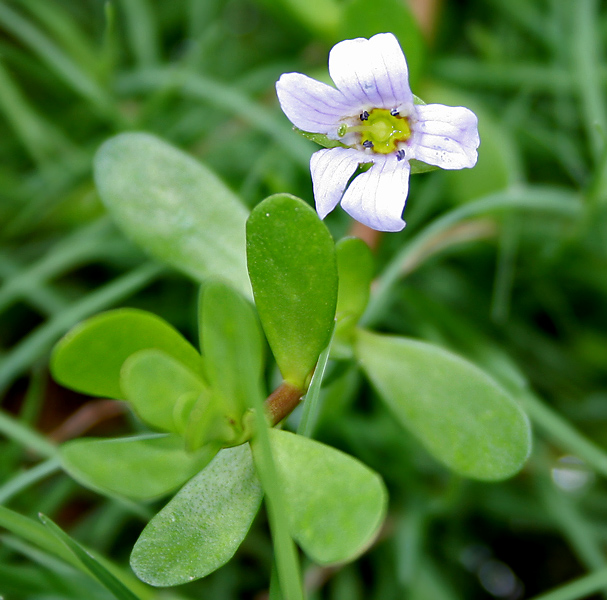
Bacopa monnieri, commonly known as brahmi or water hyssop, 'specialises' in cognitive function. One trial showed that taking 125mg of brahmi every day led to significant improvements in memory, learning and mental control. Sounds like the perfect remedy for students! Another demonstrated its ability to improve cognitive performance and mood soon after multitasking, a bad habit of students and nearly everyone else! Multitasking is inherently stressful, and does affect mental performance. It is not an "adulting" badge of honour.

Cordyceps sinensis, a fungus used in traditional Chinese medicine, has a few specialties, such as immunity. In a study on mice, cordyceps was shown to have antioxidant activity and increase production of immune chemicals that, while inflammatory, are helpful in acute infection. Fortunately, it does not overstimulate the production of these chemicals. In fact, although it can boost the functioning of immune cells, other research has shown anti-inflammatory ability, and even an ability to help anti-rejection drugs protect transplanted organs! Overall, you don't have to let your health suffer during times of stress, even when it feels like you have to put yourself last, you owe yourself proper self-care.

Monday, 10 October 2016

Five Uses for Lavender Oil

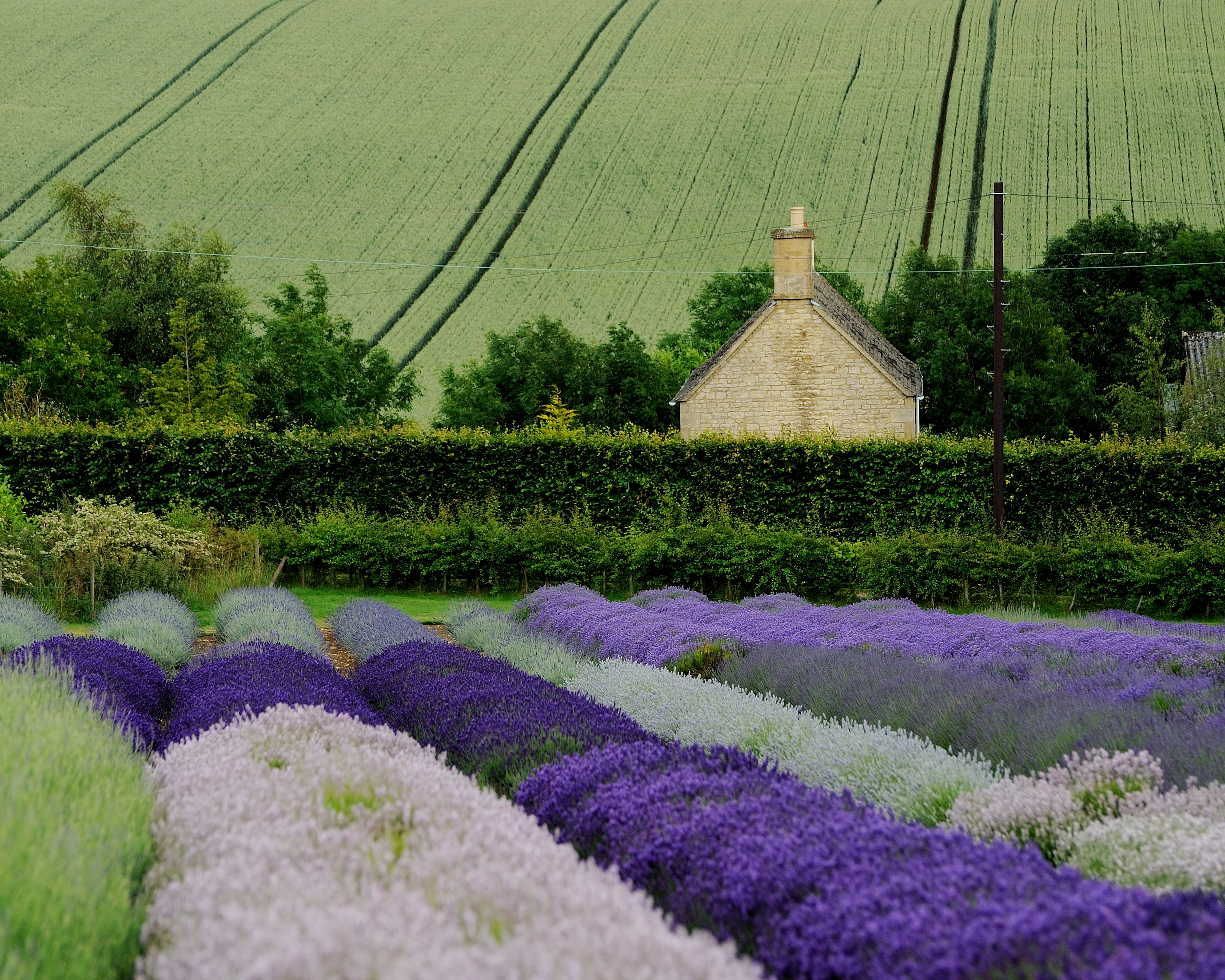
Lavender oil has got to be the most well-known, bordering on stereotypical, essential oil there is. In Australia, you can even buy it in supermarkets for home use. It has been used for over 2,500 years in traditional medicine, from ancient Rome to China, but there is also a lot of modern scientific evidence to back up its use.

Anxiety

Anxiety is likely to be the most well-known use for lavender oil. In a study of 90 patients waiting for open-heart surgery, there was a significant reduction in anxiety among those inhaling the lavender oil compared to the distilled water placebo. It wasn't just about feeling calmer, as the cortisol levels of the lavender group were, on average, 69% lower than in the placebo group. A German study also found that lavender oil was more effective than placebo in relieving anxiety in a trial involving elderly patients. The researchers then stated that it could be a safe alternative to synthetic drugs.

 Sleep

A better night's sleep is another common use for lavender oil. This study was a clinical trial on the effects of lavender oil inhalation, with 158 post-partum mothers who were either assigned to a treatment or placebo group. As labour and caring for a completely dependent child are very stressful situations, there is a high chance of inadequate sleep. Poor sleep can lead to problems with concentration, judgement and the ability to perform everyday tasks. Every night before going to bed, the women participating in the study inhaled 10 deep breaths of either the lavender oil, dropped onto a cotton ball, or a placebo, and then kept it beside their bed until the morning. This is very similar to use of a diffuser. After eight weeks, women in the lavender group reported significant improvements in sleep, from an average of 8.3 to 6.8 on the Pittsburgh sleep quality index; the placebo group saw a non-significant improvement from 8.5 to 7.6.
Source: Saffron Blaze

Menstrual Issues

Lavender oil may also be effective in managing dysmenorrhoea, or period pain. In a study of 44 nursing and midwifery students in Turkey, self-massage with lavender oil was more effective than a placebo massage with petroleum-based oil in relieving pain. In another study of seventeen women with emotional PMS symptoms, inhaling lavender oil for 10 minutes was associated with a significant increase in parasympathetic nervous system activity - that is, it relieved stress, which allowed the autonomic nervous system to learn more towards the "rest and digest" side. Lavender oil was also able to significantly reduce feelings of depression/dejection and confusion.

Pain Relief

Lavender oil may help with other types of pain too, including during the insertion of needles necessary for kidney dialysis. Thirty-four patients volunteered for this cross-over study, where their pain levels were measured during three different interventions: lavender oil, placebo and nothing. Using the lavender oil, their pain levels were an average of 2.91; with the placebo, it was 4.18. Using nothing, their average score was 4.59, and as all differences were seen as significant, this means that even use of a placebo had some mild effect.

Mouth Ulcers

Another painful condition is mouth ulcers, could lavender oil help with these too? This study tested the effects of lavender oil on both animals and people with mouth ulcers in order to find out. Lavender oil was shown to be safe and effective in animals, with a significant ulcer size reduction and increased rate of repair and healing in three days compared to baseline and placebo. Patients treated with lavender oil also showed a significantly improved rate of healing. Time to heal, inflammation level, pain and ulcer size were all greatly reduced compared to placebo, without side effects.

Tuesday, 13 September 2016

Can You Repel Ticks With Essential Oils?

Ticks are annoying, but did you know that they could also be dangerous? Some ticks carry Lyme disease, a tick-borne, and often sexually-transmitted, disease known to be caused by bacteria of the Borrelia species. Normally when a tick is removed, there may only be some itching and minor swelling. However, Lyme disease commonly results in a "bulls-eye" rash that spreads around the bite like a target pattern, although many people never see this rash. Flu-like aches and pains are some other initial symptoms of Lyme. If it isn't treated right away, the bacteria can stay inside the body and cause more chronic symptoms, such as arthritis, fatigue, cognitive issues, numbness, weakness or headaches. The worst part for some people is that in Australia, Lyme disease is not recognised as existing in the country! Patients who cannot find doctors with access to the appropriate antibiotics, and naturopaths trained in Lyme disease, often end up with a severe, chronic illness and  sometimes have to travel to countries like Germany for treatment.

Syzygium aromaticum/Clove.
Fortunately, there are both chemical and natural ways to repel ticks, which is good news for those who may react to the chemical repellents. Some essential oils that may be toxic to tick larvae (in this study: Rhipicephalus (Boophilus) microplus) are Mexican oregano (Lippia graveolens), rosemary (Rosmarinus officinalis) and garlic (Allium sativum) oil. Mexican oregano and garlic oil killed 90-100% of tick larvae at all concentrations ranging from 1.25-20%, while rosemary oil only killed at least 85% of larvae at 10-20% concentration. Another study tested the effects of vetiver oil (Chrysopogon zizanioides) against not only the tick species Rhipicephalus microplus, but also Amblyomma cajennense. Vetiver oil was able to reduce egg production, egg hatch rates and also survival of larvae, at rates higher than some conventional products. Oregano oil (Origanum bilgeri) may also repel and kill ticks (in this study: Rhipicephalus turanicus Pomerantzev). The dominant constituent of this essential oil, making up 93% of it, was carvacrol. After 48 hours, the oregano oil at a concentration of 0.8% killed over 83% of ticks, and over 63% at a concentration of 0.4%. In another study, this time testing clove oil (Syzygium aromaticum) and Java citronella (Cimbopogon winterianus) against R. microplus, clove oil was able to kill ticks at different stages of their life cycle at a rate of 92-100%. An ubiquitous essential oil in Australia is tea tree oil (Melaleuca alternifolia). This was found to completely inhibit reproduction in R. microplus ticks at 5% and 10% concentrations, and at a 1% concentration was able to kill off 70% of the ticks. One basic recipe for a natural tick repellent involves 4 ounces of base/carrier oil, and 40 drops in total of tick-repelling oils, such as clove, garlic and carvacrol-rich oils. It is recommended to use this whenever camping, hiking or during any outdoor activity where the risk of tick bites is high. Using both natural and conventional tick repellents may be best.

Prevention is always best, partly because of how difficult Lyme disease is to treat, but an interesting pre-clinical study suggests that, of all things, stevia leaf extract may be effective in fighting the bacteria that cause this terrible condition. Stevia extract was shown to significantly reduce the biofilm, a protective coating that the bacteria produce to resist antibiotic and immune attack, and wiped out much of the bacteria. While more research, especially human trials, are needed in the natural prevention and treatment of Lyme disease, of course there is hope.

Tuesday, 26 July 2016

Fight Cachexia!

Many people living with chronic illnesses, such as some cancers, heart failure and HIV/AIDS, are at risk of the whole-body wasting syndrome known as cachexia, which is often the most deadly symptom. This involves the loss of both muscle and fat, and the degree of weight loss has been associated with shorter survival times, with over 80% of people with gastric and pancreatic cancer suffering from weight loss.

A generally inflamed state is also characteristic of cachexia. The inflammatory markers implicated in this dreadful condition are interleukin-6 (IL-6), tumour necrosis factor-alpha (TNF-a), interleukin-1beta (IL-1beta) and interferon-gamma (INF-gamma). Many studies have found that the first, interleukin-6 (IL-6), may be the most important factor affecting the maintenance of body mass (see above link). IL-6 has been found in higher levels in cancer patients with weight loss than in patients with the same disease, but without any weight loss, for example. In another, IL-6 was the only inflammatory marker that was elevated in all 28 patients, and it increased as they approached death. Research on mice has shown that IL-6 neutralising antibodies prevented cachexia, while a study on humans found that administering IL-6 decreased muscle protein synthesis. Additionally, IL-6 may promote tumour growth.

A turmeric flower.
So how can you reduce levels of IL-6? One substance that may lower IL-6 is turmeric. A study on 40 mice with late-stage pancreatitis showed that curcumin, the most studied phytochemical from turmeric, significantly reduced both IL-6 and TNF-a, which is also relevant in some patients. In humans with chronic kidney disease, a combination of curcumin and frankincense significantly reduce IL-6, with a time and compliance interaction effect. A meta-analysis of nine human trials also showed that curcumin and similar phytochemicals can significantly reduce IL-6, with a strong association between the initial severity of inflammation and the effect of curcumin. Another is vitamin C, as shown in a study where 31 diabetic and/or hypertensive adults were given two daily 500mg doses of vitamin C. Both levels of IL-6 and another inflammatory marker known as C-reactive protein were significantly reduced, but did not change in the control group. Related to the turmeric plant is ginger, which may also reduce IL-6 and other inflammatory markers that can contribute to weight loss. In one study, 64 diabetic patients were assigned to receive either 2 capsules of ginger, or 2 placebo capsules, daily for 2 months. The results? Ginger supplementation significantly reduced IL-6, TNF-a and C-reactive protein compared to baseline, but only TNF-a and C-reactive protein were significantly reduced compared to the control group. However, another study on male endurance runners taking 500mg ginger capsules three times daily found that IL-6 levels were significantly reduced with ginger supplementation after 12 weeks, but not 6 weeks. Levels of IL-1beta were also significantly lower at 12 weeks, and so were TNF-a levels. IL-6 also rises with muscle damage. Therefore, there may be a difference between conditions, or a difference between time that affects the results of ginger supplementation, among other interventions. Fortunately, you can combine natural remedies such as turmeric, ginger, vitamin C and vitamin C-rich foods in smoothies or juices, which may be best during situations where the affected patient has lost considerable strength and appetite.

Monday, 25 July 2016

Cinnamon Could Add Spice to the Next Semester


Beginning a new semester or school year at high school or university may be exciting, or it may be filled with stress, which is likely to increase as assessments pile up. Fortunately, there are natural remedies that can help with learning ability, and a new study shows that cinnamon may be one of them.

In this pre-clinical study, mice were first tested in mazes to separate the good learners from the poor learners. The good learners took an average of 60 seconds to find the food reward at the end of the maze, while the poor learners took an average of 150 seconds; two and a half times how long it took for the good learners. After consuming cinnamon for one month, however, the poor learners were completing the maze puzzle at the same time as the good learners, instead of making so many wrong turns. When the brains of mice from both groups were examined, the poor learners had more of one protein and less of another than the good learners at the beginning of the study. After the month of cinnamon consumption, the levels of these proteins were the same in both groups. Researchers stated that these effects were most likely due to some of the compounds in cinnamon, such as cinnamaldehyde, which gives the spice its aroma and flavour. These are metabolised in the liver to form sodium benzoate, which was reported to stimulate plasticity – the ability to learn and adapt – in the hippocampus, the area of the brain responsible for memory. Initially, plasticity of neurons in poorly learning mice was much lower than those who could learn more effectively. It also improved the structural integrity of the brain cells, which in turn improved their communication with each other. Integrity of cultured hippocampal neurons was measured by the spine density. Now, clinical trials are being planned, as there is hope that cinnamon extracts may help to fight Alzheimer’s and Parkinson’s disease, besides helping stressed out students.

C. verum on the left. Source: Antti Vaha-Sipila (CC BY SA: 1.0)
But isn’t cinnamon just a food, or a mere spice used for flavouring? Actually, cinnamon has been used in traditional medicine to treat conditions such as diabetes for many years. A study on diabetic rats trying to confirm this found that cinnamaldehyde reduced blood glucose by 63% compared to the control group. A dose of 20mg per kilogram of body weight also significantly decreased the amount of haemoglobin (the oxygen-carrying protein on blood cells) that was tangled up in unabsorbed sugar; increased the liver’s normal stores of sugar and increased the level of insulin. Additionally, it normalised liver enzyme levels. A woman I studied with, who is a type 1 diabetic, had to reduce her dose of insulin after beginning to eat cinnamon! It was the good cinnamon (zeylanicum, or verum), not cassia or another species. Although human clinical trials have not been conducted on cinnamon’s ability to improve learning, it may be still worthwhile to add it to your daily diet. Cinnamon could be added to oatmeal, cereal or yoghurt at breakfast, or consumed as part of chai tea. It could also be added to smoothies, hot chocolate, pancakes or muffins. One idea I found is to combine half a cup of cottage cheese with diced apple and a pinch or more of cinnamon, among many others. Anyway, this is something that could be advisable for stressed-out students.

Thursday, 9 June 2016

Gulbarn Tea: Bush Medicine Gaining Prominence

One of the shortcomings of my naturopathy degree (ie besides the minimal business education) is the almost complete lack of education in indigenous Australian medicine, besides the standard eucalyptus and tea tree, and some mention of lemon myrtle. This is most likely because of minimal scientific research into our native herbs, which is most likely caused by minimal awareness that these plants actually exist. The herbal medicines we do learn about are usually from anywhere but Australia (a friend of mine who told me about this mystery plant doesn't even know its name!).

Fortunately, some more indigenous herbal medicines are gaining sustained awareness, besides one or two news reports saying "X plant may cure X" before disappearing forever, and transforming communities in the process. I am talking specifically about Gulbarn, a bush that grows around Minyerri in the remote Roper region of the Northern Territory, about 580 kilometres southeast of Darwin. In 2013, Samara Billy, a resident of the Minyerri community, was showing representatives from the Enterprise Learning Project around said community in order to get funding for construction of an arts centre. Samara then showed the representatives a Gulbarn bush, and told them how it is traditionally used: as a tea, or a body wash. It is mainly used to soothe coughs and colds, or as Samara said, as a remedy for stress. The lack of caffeine and similar properties and flavanoids as green tea are responsible for its newfound popularity among buyers in Australia and Asia. While nobody was initially interested in using the tea at all, the community is now behind growing the business, with even young children getting involved on packing days and the women (especially Samara) mainly spearheading the business. This success is also now giving others in her community the confidence to come up with other business ideas.

Why is this so important? A deep, unshakable connection to the land means that leaving often very remote areas for work in the cities is not an option for so many indigenous Australians. Frequent lack of support for local businesses leaves indigenous communities with high unemployment and little economic power, which leaves many vulnerable to exploitation and control by government and others, and many turning to crime and substance abuse (did you think unemployment and the resulting dependence was in any way enjoyable?). One way to solve this is by increasing the promotion of, and research into, the native bush medicines, but not without the resulting businesses being run by the indigenous people in that area (who actually know what they're doing with these plants). As native herbal medicines are growing in their ideal environment around here, they are most likely to be producing the optimal profile of medicinal constituents and you probably won't kill them regardless of how terrible your gardening skills are. Medicinal constituents are "secondary metabolites", typically produced more when immediate needs of growth and survival aren't so hard to fulfill. I tried to grow milk thistle, but THE STUPID THING DIED when I was too busy to water it for a day or two.....Australian plants are tougher. Overall, everybody wins when herbal medicines native to Australia are not ignored and are a means to economic empowerment for indigenous Australians.

If you are interested in buying Gulbarn tea, click here. I do not know if this is only available for shipping in Australia or internationally.

Wednesday, 13 April 2016

Finally! Medical Cannabis Legalised in Victoria

For the first time in decades, some people and their families in Australia will be the first to legally have access to medical cannabis. Laws passed in February of this year paved the way for legal, and therefore, safe access (due to the risk of spiking with other, harmful and more addictive drugs by greedy dealers) to medicinal cannabis products, with the state of Victoria being the first to reap the benefits.

Thankfully, children with severe epilepsy, which can kill or cause severe, permanent disability, will be the first to be allowed access in early 2017. The newly-legal herbal medicine will be rolled out gradually, in a range of forms such as tinctures, capsules, sprays and oils, beginning with a small, strictly monitored cultivation trial. While this is still very restrictive, as they say, freedom begets more freedom, and there are already plans for further liberalisation.

Perhaps the most famous case of this herbal medicine transforming the life of a child with epilepsy is that of Charlotte Figi. Before a low-THC, (and therefore non-psychoactive) high-CBD hemp oil, she was having seizures around twice in one hour, and was in hospice, basically a vegetable. Now 9, although she still cannot speak, Charlotte is able to walk, ride a bicycle and go to school, and only suffers two seizures a month on average. Her story has helped to change laws allowing access to similar high CBD strains in 17 US states, but not before triggering a rush of medical refugees to Colorado, where use of cannabis and hemp is much more liberal. I do not consider use of the term "refugee" to be diminishing the experience of those fleeing Syria or Iraq, as these children with epilepsy are also fighting for their own lives, and a life where they can actually do things and progress as opposed to remaining a vegetable.

While I support the use of scientific research, no one should be waiting for "more research" before this is available for anyone of any age or health status. Evidence-based practice is a combination of the best scientific evidence available, the patient's desires and the practitioner's experience. This includes "anecdotal evidence", and if something is producing such dramatic results without toxic side effects, because it is a natural medicine that is used for millennia and fits well into the body's own endocannabinoid system, it should be allowed. People are able to make good decisions for themselves without someone hovering over them, even though we often need professional assistance or a second opinion. I have found a small, older study showing that 7 of 8 epileptic participants received a significant benefit from taking cannabidiol (CBD), along with two surveys on hemp extracts for epilepsy that yielded positive responses in the vast majority of cases...and while I would not consider this to be enough in most cases, I am suspending that for a herbal extract with such dramatic anecdotal reports. Pharmaceutical anticonvulsants do have toxic, disabling side effects, and I will not insist upon their use to those who do not want them because a natural alternative has appeared. I do remember a teacher saying that, in a pinch, kava would be an "okay" substitute, but there are no other herbal medicines able to act on epilepsy in such a manner as cannabis or hemp. I am very happy for these Victorian children, and I wish everyone who is able to access natural cannabis/hemp all the best, and as little "moral"/pro-pharmaceutical handwringing as possible.

[Image of the Island Archway on The Great Ocean Road, Victoria: David Iliff. License: CC-BY-SA 3.0]

Thursday, 21 January 2016

Candida May Be Worse Than You Thought

For many years, the only known link between Candida spp. infections, and cancer was that it is an opportunistic pathogen taking advantage of the immune system damage caused by chemo. Recently, new research has found that Candida albicans can actually also promote cancer by producing carcinogens, causing inflammation, increasing the response of Th17 cells, and molecular mimicry of our own immune cells. This is also a frighteningly common infection among young women.

Candida produces the carcinogens known as nitrosamines and acetaldehyde. Nitrosamines activate specific pro-cancer genes, while acetaldehyde is a DNA-damaging carcinogen with many downstream effects. Inflammation promotes cancer by causing tissue damage and production of chemicals that promote angiogenesis, proliferation, migration, and adhesion while inhibiting apoptosis of damaged cells. Th17 cells, which are dominant in the response to Candida infections, are also responsible for production of chemicals that can increase angiogenesis and tumor growth.
On top of this, antibodies produced against Candida albicans can mimic a receptor on white blood cells, possibly causing antibodies to be formed against our own immune cells. This is another strike against sugar and alcohol consumption in relation to cancer risk, as both alcohol metabolism and sugar fermentation lead to acetaldehyde production.

One real-life report of cancer being in association with fungal infections comes from Meinolf Karthaus, who observed three children with leukemia suddenly go into remission after antifungal treatment for “secondary” infections. Additionally, one doctor had found fungal spores in every tissue sample of cancer that he studied, as he used saline instead of formaldehyde to transport the samples in order to preserve any possible fungi (Sources from Mercola, scroll down to the list of studies and books).

While pharmaceutical antifungals can cause even more damage to patients’ liver and kidneys, curcumin, the “main” medicinal compound in turmeric, may be an effective alternative. On top of exhibiting potent antifungal activity against Candida, curcumin also has anticancer properties, such as the ability to destroy cancer stem cells. Curcumin has antifungal effects against other species such as Cryptococcus, Aspergillus, Trichosporon, and Paracoccidioides strains, which have been shown to be vulnerable to its effects. Additionally, curcumin can prevent resistance of Candida to the antifungal drug fluconazole. It appeared to be that resistant Candida were able to pump fluconazole out of the cell bodies. Despite curcumin’s poor water solubility and thus bioavailability, nanoparticles and fat soluble delivery methods can overcome this limitation. More traditionally, golden milk is a beverage that increases availability of turmeric to the body, and can be made at home. This involves a combination of dairy, coconut or nut milk; black pepper, the turmeric rhizome and one or more of cinnamon, ginger or chilli, with many variations available online.

Besides curcumin, clove oil may also be effective against Candida infections. In one study, even the vapour of clove essential oil was able to inhibit several species of fungi, though the oil vapor was only strong enough to temporarily stop Candida growth without killing the cells. However, direct application was much stronger. Using direct application, the Minimum Inhibitory Concentration (MIC) of clove oil was 2.5%, meaning that clove oil at 2.5% concentration was enough to completely prevent fungal growth, which is an indicator of living cells. You can buy this straight, or in a blend such as Doterra's OnGuard, which I prefer because of my discount and the fact that it smells like chai. It has gotten me out of a lot of infections.

So in conclusion, natural fungicides and fungistatics such as curcumin and clove oil must gain more recognition, particularly in cancer treatment, whether the goal is full remission or “quality of life” (don't let me into a hospice, I will fumigate it with clove oil as an "experiment"). Reducing sugar and alcohol intake is also seen as increasingly necessary in order to prevent fungal infections and cancer growth, and yes you can enjoy food and drink without these things as it forces you to be more creative with flavours.

Sunday, 20 December 2015

Another Common Herb That Can Fight Aging

A new study has found that a constituent of the herb comfrey, known as allantoin, can extend the lifespan of worms by about 20% by mimicking the effects of caloric restriction. Caloric restriction has been found to extend the lifespans of several animal species, from worms up to mammals, but is one of the least pleasant anti-aging remedies. Fortunately, at least for worms, those given allantoin lived for 28.32 days, compared to 23.14 days for the wild-type worms and 27.01 for the calorie-restricted worms. This was an increase in lifespan by 21.86%, to be exact. Movement had also improved in comparison to the non-treated worms, at least for a while.

In Australia, comfrey is only "allowed" for topical and cosmetic use, but grows very well so many people have it in their backyards for personal use regardless of whether they are going to make a face cream with it or eat it. This also makes the above study especially relevant, as comfrey is much more accessible than the prescription drugs that have been found in this and other research to have antiaging effects (do you have a rapamycin tree?). Comfrey has been clinically proven to relieve pain and inflammation in muscles and joints, such as in arthritis, sprains and strains. For example, a study of 120 patients with acute back pain found that a cream containing comfrey root fluid extract reduced pain during "active standardised movement" by 95%, compared to 37% with placebo. The comfrey cream was also superior in all secondary outcomes compared to the placebo, and began to work within one hour! Using the same preparation, another double-blind trial was conducted on 220 people with knee osteoarthritis. Scores of pain and pain on movement decreased by 54.7% in the treatment group and 10.7% in the placebo group, while scores in an osteoarthritis index score dropped by 58% in the treatment group and 14.1% for placebo. Quality of life and joint movement also improved more in the comfrey patients. Additionally, comfrey was found to be superior to diclofenac in another trial.  Comfrey root has also been used for knee joint injuries and non-active gonarthrosis, as well as in the treatment of tendinitis syndrome, insect bites, mastitis, fractures, skin inflammation, multiple abscesses of sweat glands, gangrenous ecthymas, furuncles, dicubital ulcers and chronic varicose ulceration, in both trials and individual case reports. Reports of "liver damage" from comfrey use, which is why we cannot legally prescribe it internally, were based on baby rats being given doses far exceeding what is humanly possible, and possibly reports from people who already had liver conditions and were therefore more vulnerable to any possible adverse effects. But it seems to work best in a cream anyway.

Wednesday, 2 December 2015

Maritime Pine and Skin Aging

It is a truth universally acknowledged that, while far from being the worst effect of aging, the decline in skin quality that results from it is most undesirable. Apart from aloe vera, which I discussed in another post, French maritime pine bark extract is yet another remedy that can at least reduce the skin aging caused by too much UV light.

French maritime pine bark is high in bioflavonoids, especially the oligometric procyanidins (OPCs). These are antioxidant and anti-inflammatory, and so target two main drivers of aging, and are also found in a wide range of foods such as chocolate. In one study, 112 women with age spots and other symptoms of skin aging such as wrinkles, roughness and uneven pigmentation were given either a 100mg supplement of pine bark extract for 12 weeks, or one of 40mg for 24 weeks. Objectively, there was a significant decrease in the pigmentation of age spots over the course of 12 weeks in the high dose group, and also the 24 weeks in the low dose group. Additionally, corneocyte size significantly decreased, which suggests an ability to repair existing skin damage, since these are "supposed" to increase in size with aging. In the photographs included, you can see that skin firmness visibly improved and wrinkles were beginning to fade. Once again, this was achieved by taking something internally, which still had noticeable effects on skin despite being transported to other areas of the body. So, particularly if you were otherwise very healthy on the inside, maybe a cream would have an even greater effect using less extract? Pine bark extract can prevent skin aging too, especially that caused by UV radiation, as it has been found to protect against sunburn when taken as an oral supplement. Sunburn involves a lot of oxidative stress and inflammation.

In other research, 20 post-menopausal women were given pine bark extract for 12 weeks in order to compare both their outward appearance and expression of certain molecular markers. Especially in women with dry skin conditions, hydration and elasticity significantly improved after the 12 weeks. There were increases in the enzyme hyaluronic acid synthase-1, which helps to produce hyaluronic acid, as well as upregulation of the expression of some genes involved in collagen synthesis. So you can have your cake and eat it too - have youthful beauty, but no inconveniences of menstruation or threat of pregnancy if those looks lead to meeting someone! Another study, this time on 62 women taking a supplement that included maritime pine bark as part of the formulation, found an improvement in skin elasticity by 9% after 6 weeks, and an improvement in elasticity by 6% after 12 weeks, when compared to placebo.

Maritime pine bark extract has also been found to be effective in treating venous insufficiency and retinal microhaemorrhages, which may also be a mechanism behind its antiaging effects as oxygen and nutrient delivery is preserved. So how does it do all of these things? Pine bark extract acts as an antioxidant by increasing production of your cells' own antioxidant enzymes, and by regenerating vitamins C and E, as well as its own direct effects. This is why it has even been found to improve lung function in asthmatics, modulate the immune system and reduce premenstrual symptoms. Overall maritime pine bark extract could be another alternative to toxic Botox injections, as these have beneficial side effects and target the causes of aging as opposed to just masking the symptoms.

Tuesday, 3 November 2015

Summer Time is Aloe Vera Time

In Australia, summer is coming up and feels like it is already here even in "spring", which means spending more time in a swimming pool, at the beach etc. than other times of the year. Unfortunately this also carries the threat of increased skin aging, but fortunately there are solutions, one of them being aloe vera gel......not used on the skin, but taken internally.

In a study in the Annals of Dermatology, volume 21, thirty women over the age of 45 took either 1.2 or 3.6 grams of aloe vera gel for 90 days, using their appearance on day 1 as the control. After the 90 days, wrinkles and skin elasticity was significantly improved, and collagen production increased. Collagen is a key protein in the skin's connective tissue, hence collagen injections to erase wrinkles. There was also a decrease in an enzyme known as matrix metalloproteinase-1 (MMP-1), which increases in aging skin and is activated by UV light, damaging collagen and causing yet additional wrinkles.
Aloe vera has also been studied for its wound healing and immune boosting  properties, which give some idea of why it has antiaging benefits. In fact, it may also speed healing of surgical wounds, and could possibly improve wound healing in diabetics. Superoxide dismutase, a powerful antioxidant, could be present in aloe vera gel too. This is important in the fight against skin aging because ultraviolet light's aging effects work by generating oxygen-based pro-oxidative chemicals. These create a nasty chain reaction resulting in degraded collagen, inflammation, increased MMP, cell damage and cell death.
The researchers found that there was no real difference between the effects of aloe vera at 1.2 or 3.6 grams, so you don't need too much to get a therapeutic benefit, but anything containing aloe vera gel is so refreshing during summer anyway! Just remember, if you are taking aloe gel straight from a plant, only use the clear inner gel, as the yellow sap is a laxative.

Friday, 30 October 2015

What is this Plant?


What is this plant?
It is a mystery.
It is native to North Queensland.
It has been used by many people, at least one of whom I personally know, to get rid of a skin cancer.
It does not leave a scar, unlike surgery.
At least on the people I know.
But don't get any sap onto healthy skin or it will burn.
But I don't know its name.
That's why I am not making claims.