Showing posts with label wrinkles. Show all posts

Wednesday, 12 July 2017

Can a Diet Reverse Wrinkles?

Millions of dollars every year are spent on creams and cosmetic procedures in the hope that they will banish wrinkles, puffy eyes and overall poor skin quality. But what is the point when you are still aging on the inside? Aging is a systemic problem, and one of the best tools in the fight against it is changing your diet. As two women found out for themselves, what improves your health on the inside can also benefit you on the outside.

A blood orange would have more power against AGEs than a
typical orange. Source: Dvortygirl
We already know that smoking and excessive sun exposure speed up skin aging (and physical decline overall in the case of smoking). Many of us know that oxidative stress speeds up aging and contributes to disease. However, it has only recently become known that advanced glycation end-products (AGEs) are a key driver of aging throughout the body. These are produced by high blood sugar, which tangles in tissue proteins, and by certain cooking methods. The average daily diet in countries like the UK and Australia contains 15,000 kilounits of AGEs, but we should aim for no more than 5,000-8,000 kilounits. They are hard to clear once formed, and cause a vicious cycle of oxidative stress, inflammation and damage. As nutritionist and skin specialist Karen Fischer found, wrinkles and sagging skin are caused in part by these nasty little compounds. To reduce their formation, it is best to limit your intake of red meat, dairy, processed foods and added sugar, and to increase your intake of red, purple and black plant foods.

To test out Fischer's diet, some at The Daily Mail enlisted the help of two women willing to try it for 28 days. Both before and after they started, skin wrinkling, sagging, redness and pore size were measured with a Visia scanner, and AGE damage was measured by a TruAge scanner. Their diet began with a three day detox, where meat and caffeine were forbidden but unlimited fruit and vegetables were allowed. Then, they got into a pattern of eating where some fish, poultry and caffeine were permitted again (but not sugar, dairy or alcohol). Fischer recommends that half of lunch and dinner plates be filled by vegetables, one quarter by low-AGE protein (fish, poultry, beans or lentils) and the remaining quarter by low-AGE wholegrains (such as quinoa, basmati rice or sweet potato). She recommends that most drinks be limited to water, herbal tea or vegetable juice, and advises supplementation with purple juice shots and anything else, such as magnesium, that is needed by the individual. The way we cook matters too: baking, grilling, frying and barbecuing increase AGE formation - the browner it is, the more AGEs there are - while steaming and making stews, curries, casseroles and soup inhibit them. Spices such as turmeric, ginger, cinnamon and cloves reduce AGE production, as do acids like lemon and lime juice.

So how did it work? One of the women, 42 year old Kate Habberley, went from a TruAge score of 39 to 33. Her Visia scan showed a 9% reduction in redness, smaller pores and an overall improved skin texture. She also lost 12 pounds (about 6kg), and has no plans to return to her previous diet. Debra Cull, 54, went from her TruAge score of 49 down to 46 in 28 days. Her Visia scan showed a 6% improvement in skin texture and an 11% reduction in open pores, as well as less redness. She did notice that her skin was fresher, clearer and less "crepey" around the eyes; lost 5 pounds; and to her surprise, her hot flashes disappeared! The only thing she really misses from her old diet is wine. If these are the results you get from AGE-counting rather than kilojoule-counting, why not change our way of thinking about food for health?

Tuesday, 16 May 2017

Five Ways to Fight Wrinkles

While it isn't the worst sign of aging, as it won't kill you, wrinkles are surely the most visible sign of aging. Millions of dollars are spent every year in attempts to fight them, with varying degrees of efficacy, to the point that "anti-aging" is often shorthand for "anti-wrinkle". If youthful beauty is your thing, you don't want to waste time and money throwing everything and anything you can find at the problem. Simple, targeted approaches that benefit your overall health are best. There are many ways to fight wrinkles, and what is best depends on the individual, but here are 5 of the most basic ones, starting with...

1) Stress management: Poorly managed stress causes wrinkles in more ways than simply frowning all the time. Chronic stress, whether it be psychological or physical, will activate the fight/flight response just as acute stress (which isn't usually harmful) does. In this response, levels of adrenaline and cortisol rise dramatically in order to give you the energy needed to escape the "threat". Sustained levels of high cortisol causes protein breakdown (so it can be used as energy), and the collagen and elastin in your skin is not exempted. This leads to more wrinkles, thin skin, easy bruising and dryness. Once again, however, the best ways to reduce stress and improve stress management depend on the individual, so seeing a qualified naturopath is recommended.

2) Sleep hygiene: As if poor sleep didn't cause enough problems already, it also contributes to skin aging! Research on 60 women without chronic illnesses found that poor sleep quality and duration (less than 5 hours a night) was linked to higher skin aging scores and even poorer resilience against UV exposure. Women who slept well had a 30% better response to a skin barrier challenge.

Green tea. Source: McKay Savage (CC BY-SA: 2.0)
3) Diet: Yes, diet affects skin aging too, and those articles saying that sugar speeds aging aren't all clickbait! A diet that causes chronically elevated blood sugar increases the formation of advanced glycation end-products (AGEs), which tangle in proteins such as collagen and elastin, thus speeding up aging. They also lead to a vicious cycle of inflammation and oxidative stress (more aging!). Common herbs and spices, including cinnamon, garlic, oregano, ginger and cloves may inhibit AGE production, especially when cooking, as high-heat methods such as frying, grilling and roasting generate them too.

4) Avoid pollution: This one is taking a collective effort, with the switch to clean energy and electric vehicles from fossil fuels well underway, but even though it's not happening overnight it will be worth it in the end! In a study of elderly women, exposure to traffic-related air pollution was strongly linked with skin aging, which included more pronounced wrinkles and 20% more age spots. As exposure to pollution is still unavoidable, enhancing your detoxification abilities is important, but the best way to do it depends on the individual (again).

5) Green tea polyphenols: Polyphenols are antioxidant chemicals found naturally in green tea (among other sources), which can protect against UV-induced sunburn, skin aging and immune suppression. In a clinical study of 60 women without skin conditions, drinking a beverage with green tea polyphenols led to less UV-induced redness and better skin quality overall, compared to placebo. Elasticity, roughness, hydration, density and scaling all improved. Green tea improved blood flow and oxygen delivery to the skin, which may boost regeneration.

Like other aspects of aging, skin aging isn't something you just have to accept; there are ways to mitigate it, which benefit your overall health too. And besides, research and clinical experience related to anti-aging is building up every day - we live in exciting times.

Friday, 9 December 2016

Can Coffee Fight Skin Aging?

It seems as though coffee has a never-ending list of health benefits when used correctly and in moderation. Yet another one of these could be an ability to fight skin aging. While aging may be a universal complaint, it is still a complaint, and one factor in skin aging is ultraviolet light exposure. The fine lines, wrinkles, discolouration and loose skin that just can't seem to hold moisture reflects the deterioration of the connective tissue which makes up the dermis. A healthy dermis will contain a strong framework of the proteins collagen and elastin, as well as water-binding glycosaminoglycans (which means they are made up of amino acids and sugars). The elasticity, strength and ability to bounce back is what gives skin a youthful appearance. Large amounts of ultraviolet light and other toxic substances produce free radicals that break down this framework and cause cell damage, which leads to skin aging.

Source: Kenny Louie (CC BY SA: 2.0)
Fortunately, researchers around the world have found that some phytochemicals extracted from coffee beans can rejuvenate aging skin. When applied topically, green, unroasted coffee beans provide many benefits. In a randomised, double-blinded trial, 40 women were assigned to receive either a high-antioxidant skin care set of facial wash, day lotion, night cream and eye serum, or a placebo set, for 12 weeks. Evaluations of efficacy were performed by a board-certified dermatologist at the beginning, at 6 weeks and at 12 weeks. It was found that the high-antioxidant set, which contained coffee extract, gave significant benefits to photo-aged skin. Almost every parameter showed improvement: wrinkles, level of firmness, pigmentation, roughness, redness and clarity. In another trial studying the seed oil of Coffea arabica, researchers found a 1.5 times increase in elastin production and a near doubling of collagen production compared to the controls. As stated above, these are the main connective tissue proteins that support the skin. There was also a doubling of glycosaminoglycans, and a increase of aquaglycerolporins by seven times! As the name of the second type of protein suggests, these work together to trap moisture in the skin, which promotes firmness and prevents uncomfortable, possibly harmful drying out.

Coffea robusta, which is native to West Africa, contains a greater amount of caffeine and other active constituents because of how it is processed. In a study of 35 women aged 30-70, they were instructed to apply a caffeine-containing eye cream to the area around one eye twice a day, and not to the other half. After four weeks, there was a significant improvement in smoothness and wrinkle depth in the treated halves of their faces. This was measured with a 3D optical imaging technique. In research on mice, caffeine was also found to prevent damage caused by UV light.

If you are having trouble with dry, rough skin that doesn't seem to be protecting itself enough, coffee may be best paired with honey. Honey is a humectant, which means it helps trap moisture, much like the glycosaminoglycans that coffee supports the production of. As it is sticky, it also makes a great addition to any home-made face masks because it would help keep the other ingredients stuck to your face.

Thursday, 10 November 2016

Olive Oil May Fight Wrinkles

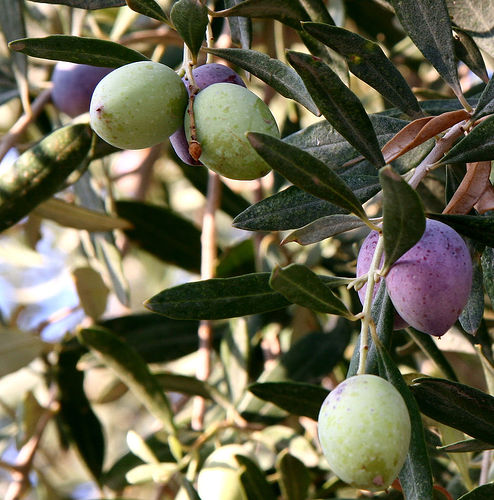
We want to look our best, especially during summer, which is just beginning in the Southern hemisphere, but products marketed as having antiaging properties are often expensive with no promise of results. But what if a cheap, widely available plant oil was actually effective in fighting the aging process? Research has suggested that the ubiquitous olive oil may not only benefit cardiovascular health, but also fight wrinkles.

Source: Nick Fraser
The health benefits of olive oil are due to its antioxidant and anti-inflammatory abilities, which prompted research into what effects it may have on skin aging. A cross-sectional study was then performed on 1,264 women and 1,655 men between 45 and 60 years old, who were part of the SUVIMAX cohort. Dietary intake of mono-unsaturated fats was estimated through diet records, and severity of skin photoaging was graded by trained investigators using a 6-point scale. "Photoaging" is what it sounds like, it is the aging that results from too much UV radiation. Overall, a higher intake of mono-unsaturated fats (MUFAs) (highest vs lowest quartile) reduced the risk of severe photoaging by 24%. For MUFAs in vegetable oils, being in the highest quartile of consumption resulted in a 37% reduced risk for women and a 45% reduction for men. No association was found between MUFAs and skin aging if they came from animal products. Additionally, only olive oil had a significant effect on skin aging. Therefore, increasing your olive oil intake, in salad dressings and dips to prevent heat-related oxidative damage, could be a good idea over the Southern hemisphere summer. If you don't like olive oil, you can always make your own skincare products rich in the oil or apply it straight to your skin.

How does olive oil work, if it's just an oil? One "active ingredient" may be oleuropein. In a study on elderly mice, oleuropein significantly increased collagen production and growth of epithelial tissue over several days. It was found that the oleuropein raised levels of VEGF, a growth factor which promotes wound healing. Olive oil could also change the expression of what was once thought to be untouchable: our genes. In a double-blind, randomised crossover trial, volunteers with metabolic syndrome were given olive oil-rich breakfasts with either a low or high phenol content. They all followed the same diet during this period too. The phenols in olive oil were found to modify the expression of 98 different genes, some of which were directly involved in inflammation. Aging is now sometimes known as "inflammaging", because most, if not all, age-related diseases have underlying inflammatory causes.

Olive oil could also have positive effects on another end-point of antiaging: mortality reduction. For this study, the results from the over forty thousand Spanish participants of the EPIC (European Prospective Investigation into Cancer and Nutrition) were used. During 13 years of follow-up, the highest quartile of olive oil consumption was linked with a 26% lower risk of dying when compared to those who did not consume any olive oil. There was also a 44% reduced risk of dying from cardiovascular disease. With every increase in olive oil intake of 10 grams, there was a 7% reduced risk of dying from any cause. There appeared to be a greater protective effect in people who did not smoke.

Friday, 6 May 2016

Seven Health Benefits of Aloe Vera

Aloe vera is a succulent plant belonging to the lily family and very easy to grow in subtropical Australia. In my experience, you can just stick it into the ground, and water it if the weather has been very dry and you want to keep the "leaves" green. But what can it be used for, besides a remedy for sunburn?

One benefit of aloe vera gel is that it may be a safe, affordable treatment for wrinkles, which I have covered in a previous post. In a study involving 30 women over 45, the participants were divided into two groups: those taking 1.2 grams of aloe gel daily and those taking 3.6 grams. After 90 days, both groups saw improved facial elasticity, and the higher dose group saw improved facial wrinkles. It was found that aloe is able to both increase collagen production and reduce the activity of genes that cause collagen damage.
Psoriasis may be another skin complaint that aloe vera can treat. In a double-blind, placebo-controlled trial of 60 patients, 25 of the 30 patients given the aloe vera extract cream were deemed “cured”. Only 2 of the 30 patients in the placebo group were “cured” after the 16 weeks of treatment, where the prescribed cream was meant to be applied for 3 times a day, 5 days a week.
Aloe barbadensis plants
Aloe barbadensis. Source: Thamizhpparithi Maari
On top of these benefits for skin health, aloe vera may also protect against skin cancer. A lab study on skin cells found that aloe-emodin, a phytochemical in aloe, significantly prevented growth of skin cells that were likely to become tumours. It was also able to help repair normal cells. Additionally, a study on women with pre-cancerous cervical lesions found that a cream containing aloe vera, along with amla, curcumin and reetha, was able to increase the chances of clearing the infection. A total of 287 women were in the trial, and were split into four groups to receive either the aforementioned cream, a placebo cream, curcumin pessary capsules and placebo pessary capsules. After 30 days, 87.7% of women using the cream cleared the HPV infections responsible for the pre-cancerous lesions, compared to 73.3% of the placebo group. 81.3% of those taking curcumin cleared their infections, but this was not seen as clinically significant.

Aloe vera may also be an effective treatment for oral lichen planus. This is a chronic inflammatory condition characterised by white patches; red, swollen tissue or open sores. In a Thai study of 54 patients, 81% of patients in the aloe group had a “good response”, compared to 4% of the placebo group. A third of the aloe group achieved complete resolution of burning pain, and 7% had complete clinical remission. I remember seeing this in the student clinic once, and had hardly any idea of how to treat it. I will remember this for next time.
In addition, aloe vera gel, taken orally, may improve inflammatory bowel disease symptoms. In a study of 44 patients with active ulcerative colitis, patients received either 100mL of aloe gel or placebo twice daily. 30% of the treated group experienced remission, and 47% experienced a response; this is in comparison to 7% and 14% in the placebo group respectively.

Aloe vera could also help to lower blood glucose levels in diabetic patients. In a small study of 5 patients with non insulin-dependent diabetes, administration of half a teaspoon of dried aloe sap for 4-14 weeks resulted in an average reduction of fasting blood sugar of 122 points. No change in body weight was reported, meaning that this was independent of weight loss.

Finally, aloe vera gel has been found to improve wound healing among women who recently had caesarean births. After 24 hours, all 45 women who received a dressing with aloe vera gel had a score of zero on a scale measuring redness and discharge, while 35 of the 45 women in the placebo group had a score of zero. Overall, the aloe vera plant has a wide range of therapeutic applications; it is not only a remedy for sunburn, but a “serious” medicinal plant that may be in the ranks of turmeric and ginkgo. As an antiaging phytomedicine, I give it a thumbs up and promotion from "just a sunburn remedy".

Wednesday, 9 March 2016

Aging Skin and Proteins

When most people think of aging, the first thing that jumps into their minds is the aging of the integumentary system - the hair, skin and nails. While most people don't want to see themselves physically fall apart, and the amount of pressure to erase or embrace wrinkles is roughly equal, methods of managing skin aging are usually just that, managing, i.e. treating it as a cosmetic issue. What skin (plus hair and nail) aging really is, however, is a visible sign of connective tissue breakdown throughout the body. Connective tissue provides support to epithelial tissue (such as the outer layers of skin), and certain proteins, especially keratin and collagen, are integral to its integrity.

For many, the most logical solution to keratin loss is to replace it. However, many keratin preparations are made from heavily processed animal parts such as horns and feathers, and so have no biological activity. Scientists have recently developed solublised forms of keratin, which are bioactive and digestible, and include the necessary sulphur-containing amino acids (J Biomed Mater Res A).

It sounds great, but is it proven? In 2010, a study was released showing the effect of a supplement containing 500mg of solublised keratin, zinc, copper, and vitamins B3, B6 and B7 (biotin). The hair shafts were visibly healed when looking under a microscope, the number of hairs lost during washing was reduced by 30% and the hair strength increased by 12% (Farcoderm). In another, published in 2014, found that the same formulation was effective in improving the health of hair and nails (Scientific-WorldJournal). After 90 days, there was a 47% subjective improvement in hair appearance, a 5.9% improvement in hair strength, a 9.2% increase in hair follicles in the growth phase, and a 47% reduction in the number of hairs that could be removed in a hair-pull test. All four amino acids tested were found to be increased significantly after the 90 day test period. As for nail health, participants in the supplement group showed an 87.5% improvement in nail breakage, a 50% improvement in hardness, a 54% increased resistance to bending and breaking and a 37.5% improvement in nail smoothness. Keratin has also been found to improve skin appearance. This same formula improved skin elasticity by 16.8%, improved smoothness by 17% and reduced roughness by 9% (Int J Cosmet Sci).

Unfortunately, as a patented formula, this is most likely to be difficult to access for most people, so I am posting these studies to show how overlooked keratin can be and the other nutrients required to support its production. In student clinic consultations, we always look at the severity of vertical and horizontal ridging as an indicator of protein deficiency. Recently I have noticed an improvement in my own nails as I am recovering from 20 years of eating gluten when I shouldn't have. Keratin has high levels of the amino acid cysteine, which contains the sulphur necessary for strong disulphide (two sulphurs) bonds; this is a similar idea to the non-protein sulphur bridges that stabilise vulcanised rubber. Collagen, perhaps the most well-known connective tissue protein, makes up about 70% of the structural support. Injections and patented supplement formulas are also commercially available to increase collagen levels, but the most important amino acids in collagen are glycine, alanine and proline. As amino acids are widely available from food (they are the building blocks of proteins!), I would say that ensuring sufficient protein intake and absorption is the first priority before supplementation should be considered. They might sound quite simple and old-fashioned, but bone broth and gelatin can be effective in improving health of connective tissue. Bones are connective tissue, just like the dermis of the skin, and also provide glutamine, another amino acid that can heal damage to the intestinal lining, which can affect nutrient absorption. Even with skin aging, sometimes the simpler remedies are the best.

Wednesday, 30 December 2015

Protect Yourself Against Blood Sugar Spikes!

As I have previously written, glycation may be the main driver behind the aging process, as high blood glucose levels lead to unused sugar getting tangled in proteins and fat, which causes a vicious cycle of oxidation, inflammation and tissue damage. To make things worse, one effect of aging is less control over blood sugar spikes! (Croat Med J.)

Fortunately, a unique form of vitamin B1, known as benfotiamine, has been found in multiple studies to protect against the effects of elevated blood sugar. "Regular" B1, known as thiamine, also prevents the formation of glycation molecules, but it is quickly used up and excreted partially because it is water soluble. Benfotiamine is fat soluble, which boosts absorption and makes it more difficult to excrete. In one study, benfotiamine increased thiamine uptake into the liver and heart by 10-40%; and in the muscles and brain, it was increased 5-25 times over! (Arzneimittelforschung). Supplementation has also been shown to reduce the formation of AGEs in blood cells by 40%. In a study on human subjects taking 1,050mg of benfotiamine for three days, it completely prevented endothelial blood flow impairment after a meal rich in AGEs (Diabetes Care).

Benfotiamine has several mechanisms of action that reduce damage from sugar. It can activate an enzyme known as transketolase, which converts dangerous glucose-induced metabolites into safe compounds. It inhibits nuclear factor-kappaB activation, which is a major inflammatory molecule. Additionally, a study from 2012 showed that benfotiamine increases glucose breakdown by 70% in hyperglycaemia, and up to 49% in normal glucose conditions (Genes Nutr). It is also superior to thiamine alone in reducing neurodegenerative diseases and cancer (Clin Lab), as well as kidney and nerve damage seen in diabetic patients (Biochem Soc Trans).

Conventional "wisdom" says that you cannot reverse the damage caused by sugar. However, when benfotiamine was given to mice with Alzheimer's disease for eight weeks, it reduced both amyloid plaque and phosphorylated tau proteins, alongside a dose-dependent memory improvement (Brain). It was then determined that a reduction in glycation end products was behind the reversals in Alzheimer's pathophysiology (Mol Cell Neurosci). In another animal study, benfotiamine was found to reverse the accumulation of AGEs in the retina, as well as increasing their excretion! (Diabetologia) So there is hope for the already-aged, but benfotiamine really should become more widely available! B vitamins are commonly thrown into magnesium and iron supplements, because they are often needed together, so maybe at least some of the thiamine should be replaced with benfotiamine.                                            

Wednesday, 2 December 2015

Maritime Pine and Skin Aging

It is a truth universally acknowledged that, while far from being the worst effect of aging, the decline in skin quality that results from it is most undesirable. Apart from aloe vera, which I discussed in another post, French maritime pine bark extract is yet another remedy that can at least reduce the skin aging caused by too much UV light.

French maritime pine bark is high in bioflavonoids, especially the oligometric procyanidins (OPCs). These are antioxidant and anti-inflammatory, and so target two main drivers of aging, and are also found in a wide range of foods such as chocolate. In one study, 112 women with age spots and other symptoms of skin aging such as wrinkles, roughness and uneven pigmentation were given either a 100mg supplement of pine bark extract for 12 weeks, or one of 40mg for 24 weeks. Objectively, there was a significant decrease in the pigmentation of age spots over the course of 12 weeks in the high dose group, and also the 24 weeks in the low dose group. Additionally, corneocyte size significantly decreased, which suggests an ability to repair existing skin damage, since these are "supposed" to increase in size with aging. In the photographs included, you can see that skin firmness visibly improved and wrinkles were beginning to fade. Once again, this was achieved by taking something internally, which still had noticeable effects on skin despite being transported to other areas of the body. So, particularly if you were otherwise very healthy on the inside, maybe a cream would have an even greater effect using less extract? Pine bark extract can prevent skin aging too, especially that caused by UV radiation, as it has been found to protect against sunburn when taken as an oral supplement. Sunburn involves a lot of oxidative stress and inflammation.

In other research, 20 post-menopausal women were given pine bark extract for 12 weeks in order to compare both their outward appearance and expression of certain molecular markers. Especially in women with dry skin conditions, hydration and elasticity significantly improved after the 12 weeks. There were increases in the enzyme hyaluronic acid synthase-1, which helps to produce hyaluronic acid, as well as upregulation of the expression of some genes involved in collagen synthesis. So you can have your cake and eat it too - have youthful beauty, but no inconveniences of menstruation or threat of pregnancy if those looks lead to meeting someone! Another study, this time on 62 women taking a supplement that included maritime pine bark as part of the formulation, found an improvement in skin elasticity by 9% after 6 weeks, and an improvement in elasticity by 6% after 12 weeks, when compared to placebo.

Maritime pine bark extract has also been found to be effective in treating venous insufficiency and retinal microhaemorrhages, which may also be a mechanism behind its antiaging effects as oxygen and nutrient delivery is preserved. So how does it do all of these things? Pine bark extract acts as an antioxidant by increasing production of your cells' own antioxidant enzymes, and by regenerating vitamins C and E, as well as its own direct effects. This is why it has even been found to improve lung function in asthmatics, modulate the immune system and reduce premenstrual symptoms. Overall maritime pine bark extract could be another alternative to toxic Botox injections, as these have beneficial side effects and target the causes of aging as opposed to just masking the symptoms.

Tuesday, 3 November 2015

Summer Time is Aloe Vera Time

In Australia, summer is coming up and feels like it is already here even in "spring", which means spending more time in a swimming pool, at the beach etc. than other times of the year. Unfortunately this also carries the threat of increased skin aging, but fortunately there are solutions, one of them being aloe vera gel......not used on the skin, but taken internally.

In a study in the Annals of Dermatology, volume 21, thirty women over the age of 45 took either 1.2 or 3.6 grams of aloe vera gel for 90 days, using their appearance on day 1 as the control. After the 90 days, wrinkles and skin elasticity was significantly improved, and collagen production increased. Collagen is a key protein in the skin's connective tissue, hence collagen injections to erase wrinkles. There was also a decrease in an enzyme known as matrix metalloproteinase-1 (MMP-1), which increases in aging skin and is activated by UV light, damaging collagen and causing yet additional wrinkles.
Aloe vera has also been studied for its wound healing and immune boosting  properties, which give some idea of why it has antiaging benefits. In fact, it may also speed healing of surgical wounds, and could possibly improve wound healing in diabetics. Superoxide dismutase, a powerful antioxidant, could be present in aloe vera gel too. This is important in the fight against skin aging because ultraviolet light's aging effects work by generating oxygen-based pro-oxidative chemicals. These create a nasty chain reaction resulting in degraded collagen, inflammation, increased MMP, cell damage and cell death.
The researchers found that there was no real difference between the effects of aloe vera at 1.2 or 3.6 grams, so you don't need too much to get a therapeutic benefit, but anything containing aloe vera gel is so refreshing during summer anyway! Just remember, if you are taking aloe gel straight from a plant, only use the clear inner gel, as the yellow sap is a laxative.