Showing posts with label infections. Show all posts

Thursday, 26 April 2018

Selenium May Extend Life in the Elderly

As life expectancy rises, largely from better living standards driving down deaths at younger ages, practitioners and patients around the world are wondering: what next? Reincarnation or not, you only get one life as you, and anyone who has ever lost someone they love knows that people are irreplaceable, so how can we continue enjoying a rising life expectancy? Many studies on disease prevention and mortality reduction focus on the "middle-aged" (40-something up to 60, or 65), but what about older adults? How do we improve both quality and length of life?

Selenium Reduces Mortality Rates
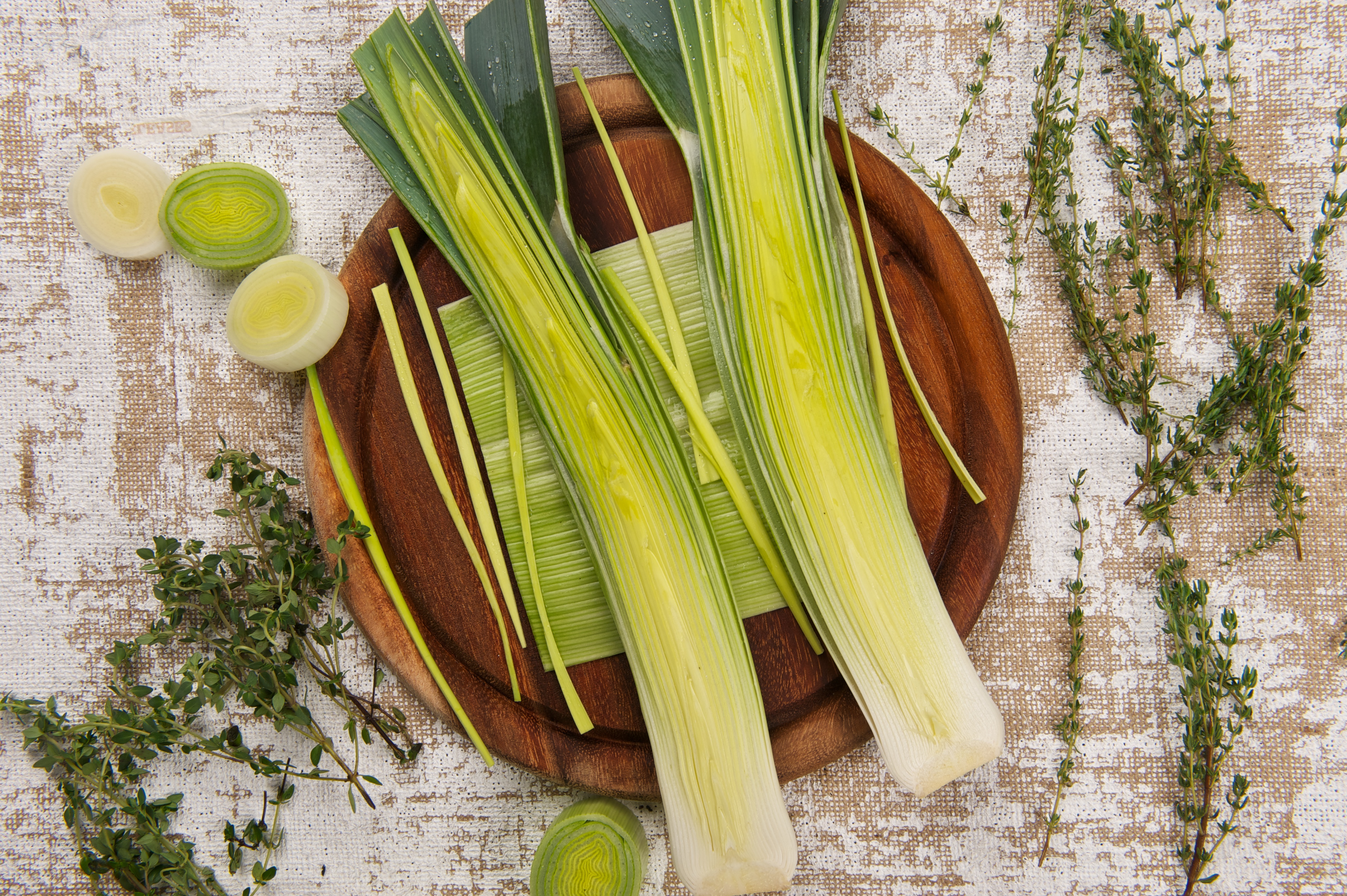
Source: THOR (CC:2.0)
This year, a study published in the Journal of Nutrition, Health and Aging found that higher blood levels of the mineral selenium may be linked with a lower risk of death among adults over the age of 80. A total of 347 men and women, living in the Sirente region of Italy, had blood samples collected and tested for a range of factors that included selenium status. Over ten years, 248 died, and those with low levels of selenium were 29% less likely to survive the study period than volunteers with high levels. This was independent of age and other factors. 

How Does Selenium Work?

The major reason why selenium helps to fight aging and promote longevity is its role as an antioxidant. Other dietary antioxidants, such as vitamin C, must be "recharged" in order to work more than once, otherwise your requirements for these would be much higher. More powerful "master" antioxidants produced by our own bodies have this recharging as one of their responsibilities, which includes glutathione and thioredoxin. These in turn must be recharged by glutathione peroxidase and thioredoxin reductase, two enzymes that need selenium to function. Antioxidants protect cells and tissues against damage; if this damage is significant and unaddressed, it can create vicious cycles of inflammation and destruction.

Selenium can also help to prevent specific diseases. In the 1990s, a large controlled trial found that taking 200 micrograms of selenium over several years reduced the risk of prostate cancer by just over half, and lowered cancer mortality by 41%. It may have also prevented one-third of all cancers in the treated group, as well as halving the risk of colorectal cancer. Selenium can help to restore youthful immune function too, thus reducing the risk of another major cause of death: sepsis, an advanced stage of infection. If you are of an older age, and worried about the flu season or an impending surgery, it is probably worthwhile to supplement with selenium.

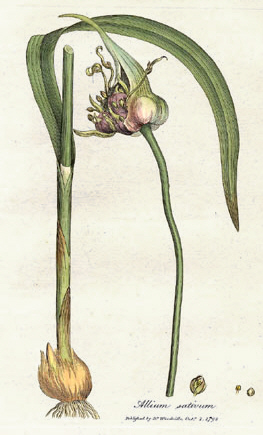
As selenium can be toxic in high doses, you must avoid taking more than 400 micrograms each day, and supplementation should be kept to a dose around 100-200 micrograms. Brazil nuts are one of the best food sources of selenium, but garlic, onions, leeks and broccoli florets are sources of a compound known as selenium-methylselenocysteine. This mouthful has less potential to be toxic than other forms of the mineral, and may be the most protective against cancer. All things considered, use of selenium may be one of the best things you can do for your health, particularly if you are older and prone to infections.

References

1: http://www.lifeextension.com/whatshot/2018/4/April-Whats-Hot-Articles/Page-01#selenium
2: http://www.lifeextension.com/magazine/2006/3/aas/Page-01

Saturday, 16 September 2017

How Zinc Could Fight Age-Related Immune Decline

Many people sadly lose their elderly loved ones during the flu season. While it is still a tragedy regardless of age, we're taught to believe that it cannot be prevented and they couldn't have lived at least another few years. Fortunately, conventional wisdom is not necessarily wisdom, as there are ways to fight age-related immune decline.

One of these ways is right under our noses - literally, for users of certain sunscreens. It is not an exotic herbal remedy yet to be discovered, it is the mineral zinc. Zinc is required by the body for thousands of biological functions, but deficiency in the elderly is very common. This contributes to immunosenescence, meaning age-related immune decline, leading to an increase in infections and inflammation as the number of immune cells and their functioning falls.

An expensive source of zinc. Source: Guido (CC: 2.0).
What does zinc do for the immune system? Research has found that it can restore the abilities of killer cells to destroy virally-infected and cancerous cells; improve the immune response of white blood cells in older adults and increase survival rates in older mice. Clinical trials have shown a benefit of high-dose supplementation, with a 45mg daily dose reducing the incidence of all infections in the elderly adults in one study. Another using 80mg daily doses yielded the impressive result of a 27% reduction in mortality over 6.5 years! Zinc must never be taken at doses beyond 90mg a day, however, as this has damaging effects.

Food sources of zinc include beef chuck roast, baked beans, chicken and cashews, containing 7, 2.9, 2.4 and 1.6mg per serving respectively. Elderly people are likely to need supplementation, up to a total of 80mg each day according to Life Extension. But would supplementation just be treating symptoms of another, greater cause? If left alone, people experience a decline in stomach acid production as they age, which is very important for zinc absorption (among other things). This leads to poor digestion in general, greater vulnerability to digestive tract infections and loss of appetite. Many older people are taking antacids for heartburn, which worsens the problem and is not the best way to treat reflux (many say the best way is to boost levels of stomach acid and enzymes - see a qualified naturopath). To manage poor stomach acid and enzyme production, treatment options include supplementation with betaine hydrochloride; digestive enzymes or bitter herbs like gentian.

Tuesday, 18 April 2017

Cold and Flu Prevention, Part 2

Previously I wrote an article on natural ways to prevent and beat colds and the flu, which also benefit your immunity and health as a whole. But there are so many ways you can do this, and while they do depend on the individual, here are some additional basic and herbal interventions to keep you healthy, regardless of the season.

First, here are some very basic interventions that are recommended for even the most conventionally-minded. If you or someone you know has a cold, remember that it is contagious for about the same time as most people experience symptoms, for 2-7 days. Some viruses can be caught by inhalation, as they are suspended in the air when a person coughs or sneezes nearby. Sometimes you can catch a cold by direct contact, as some viruses can live for up to 3 hours on human skin. Also, while most people do touch their faces subconsciously, try to avoid touching your eyes, nose or mouth during or soon after being around others infected with colds. Washing your hands regularly, especially before eating, is very important to remember too (unfortunately, many don't).

Of course, there are many herbal remedies that could prevent and treat colds. One of these is Astragalus membranaceus, otherwise known as astraglaus or huang qi. It has been used for centuries in traditional Chinese medicine to treat immune deficiencies, as well as to increase vitality and stamina (most likely the reason for the "qi" part - qi means "life force). In a clinical study comparing echinacea, astragalus and licorice, astragalus had the strongest affects in stimulating immune cells. However, it is not typically recommended during acute infections, it is more of a prevention and maintenance herb (Phytotherapy Desk Reference, Thomson and Gennat).

Travelling to the West, Sambucus nigra, or elderberry, has also been used for centuries in treating colds and flu, as far back as 400 BC. Its purple-black fruit is rich in antioxidants, and researchers believe that it works by activating immune cells that engulf and destroy pathogens. The German Commission E, a high-level guide for the safety and efficacy of herbal medicines, recognises elderberry as an effective treatment to relieve colds. Use as an alternative to conventional cold medicines is therefore quite common in some regions.

Now for something that most of us are familiar with: Allium sativum, or garlic. When raw garlic is chewed or chopped, it releases a substance called allicin, which has demonstrated antiviral activity against the rhinovirus (the most common cold virus) and other pathogens. This is another herb that looks more useful for preventing colds, as opposed to treating them. In one clinical study, those who took a garlic supplement with allicin had their risk of catching a cold cut by 65%! Compared to placebo, the garlic supplement was also linked to 70% less cold symptoms, with the average duration 1.5 days instead of 5 days. Once again, you don't have to put up with sporadic weeks of misery and inconvenience, there are other ways, but seeing a qualified naturopath can determine what treatment plan is right for you.

Thursday, 13 April 2017

Cold and Flu Prevention This Winter

In the Southern hemisphere, it's that time of year again: autumn, which means cold and flu season! While television personalities have been vaccinated against the influenza virus on live broadcasts, if you're reading this you are most likely looking for a more natural, holistic approach, one that could strengthen your immune system as a whole.

Both natural prevention and treatment of colds and flu, particularly when you're trying to stop an early infection in its tracks, are quite similar to each other. This includes the most basic way to fight a cold, which is getting enough rest and staying hydrated. Rest provides the energy your immune system needs to fight infection, so the "soldier on" mentality can actually lower your defences and keep colds lingering around for longer. If you aren't sick, making sure that you are sleeping enough and appropriately managing stress can go a long way in preventing illness.

Of course, there are plenty of natural remedies that can provide much-needed assistance during respiratory infections. One of these is bromelain, a mix of enzymes found in pineapple stems. In a clinical trial, 85% of people with sinusitis who were taking the bromelain capsules showed total resolution of the inflammation in their nasal cavities. Bromelain is both an anti-inflammatory, meaning it can inhibit compounds that make cold symptoms worse, and can thin out nasal mucous. Enteric-coated capsules taken away from food are best, as they bypass the protein-digesting enzymes in the stomach - enzymes are proteins too, and so are not exempt from digestion.

Source: Claudius Tesch
N-acetyl-cysteine (NAC) is less well-known than vitamin C, but is a powerful antioxidant and decongestant. It can reduce inflammation, thereby relieving the symptoms of a cold, and can also reduce viral replication, making it easier for the immune system to clear the infection. In conventional medicine, it is even administered to patients with cystic fibrosis to thin out excessive mucous.

One of the more well-known, although often controversial, cold remedies is vitamin C. In a 1999 study, researchers tracked the number of cold and flu symptoms among 463 young adults who made up a "control" group, and 252 others who made up the "test" group. If anyone in the control group reported symptoms, they were given pain relievers and decongestants. If anyone in the test group reported symptoms, they were treated with 1000mg of vitamin C every hour for the first six hours, and then 1000mg three times each day until the symptoms disappeared. Everyone in the test group received three doses of vitamin C at 1000mg every day regardless of whether or not they were sick. The test group reported 85% fewer cold and flu symptoms compared to the control group. Vitamin C can help to boost the production and function of our immune cells, thereby possibly reducing the severity and duration of colds.

Zinc is another immune-boosting micronutrient, but deficiency is unfortunately common even in wealthy countries. When administered within 24 hours of the onset of a cold, a high-quality zinc supplement may significantly reduce the severity and duration of the infection. It has been demonstrated in research to reduce the production of inflammatory substances by the body and to help prevent viral replication.

Overall, you don't have to rely on luck to stay healthy this winter, but for best results, visiting a qualified naturopath is advised to access high-quality supplements and receive a holistic, individualised treatment plan.

Wednesday, 5 April 2017

Could Vitamin C Save Patients From Sepsis?

A Virginian doctor recently claimed to have found that vitamin C could be an essential part of treatment for sepsis, a life-threatening complication of infection when the pathogenic load and immune response are too great. As sepsis kills thousands every year, including over 44,000 in the UK, it's time to take notice of the power of vitamin C.

Dr Paul Marik, a critical care specialist, says he came up with the treatment as a last resort when a 48-year-old woman arrived with a case of sepsis that would have otherwise killed her. Her kidneys and lungs were failing, but after his "outside the box" treatment, she left the hospital after two days. His treatment? An injected infusion of vitamin C, a low dose of steroids, and vitamin B1, also known as thiamine. While other experts believe that this is "too good to be true", he has already published some results of his own research showing that this was not a once-off miracle. In this retrospective, before-after clinical study, 47 consecutive patients were treated with this infusion over a seven month timeframe, and were compared with 47 untreated patients from the previous seven months. The treated group only had a mortality rate of 4 out of 47 patients (8.5%), compared to 19 out of 47 (40.4%) in the control group. This is about an 80% reduction! No patients in the treated group developed progressive organ failure. All treated patients also stopped needing vasopressors, after an average of 18 hours. The control patients used them for an average of 54 hours, a bit over two days. Although these findings were described as preliminary and in need of larger follow-up studies, they were clinically significant and seen as a way to prevent organ failure and death from sepsis.

The dismissal of this case as "too good to be true" is also infuriating because of just how far research on vitamin C and infections goes back to. In an article from over sixty years ago, a doctor describes studies and cases of vitamin C injections resolving a range of infections. One case, which was similar to prior research, saw a young girl's chickenpox disappear in a day or two as opposed to the typical "seven to nine days". Children with polio and encephalitis from severe cases of mumps and measles were also described as having rapid, uneventful recoveries after beginning vitamin C injections. Even a baby recovered from measles in 60 hours, without developing a rash or having to deal with a fever for long. Many studies and case reports on vitamin C and infections came in the decades after, including three controlled studies analysed in a review showing an 80% drop in pneumonia incidence. In another of several hundred young adults, vitamin C administration cut cold and flu symptoms by 85%. Even a report on New Zealand's 60 Minutes, of a man saved from viral pneumonia with vitamin C, after doctors initially refused to administer it, seems to have failed to change the pharmaceutical drug-only public opinion on the vitamin. However, despite all of the censorship and narrow-mindedness of the public, there is real hope for the future when it comes to using natural medicines in the fight against infections, whether they be deadly or just inconvenient.

Thursday, 2 March 2017

What If the Best Antibiotics are Free?

We hear news of the latest "superbug", resistant to most or all known antibiotics, plaguing our hospitals on a regular basis. And the proposed solution is almost always the same: more medical research to produce more antibiotics, regardless of how long it may take for bacteria to become resistant to those. While antibiotics do save lives, what if there was a more sustainable way to prevent and help fight infections, and prevent "superbugs" from appearing? Well, these sustainable alternatives do exist; you can access them anywhere for free, and they cannot be patented. They are fresh air and sunshine.

A perfect day for us; hell for pathogens.
Source: Mantas Volungevicius
Unfortunately, many people think this is a joke, because of the societal belief that newer and more high-tech = better. But Florence Nightingale didn't promote them because she had no other options, but because they worked. We know that she slashed death rates in hospitals with a list of hygiene improvements, but the fact that she kept the windows open and the long sides of her wards facing south, to let the most sunshine in, seems to be less well-known. By the end of the 19th century, "solar clinics" were a popular way to treat tuberculosis, where people spent much of their time exposed to fresh air and sunlight. If you could afford it, I mean - high poverty rates with resulting crowded, dank living conditions meant that TB caused a fifth of all deaths in Victorian cities.

But what about scientific evidence? An early study about the effects of fresh air on pathogens came from the height of the Cold War, in the 1960s. Biological warfare was a real concern, so microbiologists wondered how long the microbes would stay viable. When they exposed E. coli bacteria to fresh air, all of them were dead within two hours, but controls kept in boxes at the same temperature and humidity mostly survived. They called the mystery ingredient the "open air factor". This mystery factor turns out to be hydroxyl free radicals; while they aren't harmful to larger organisms such as humans, they are deadly to tiny bacteria. However, the open air factor rapidly disappears with increasing degrees of seclusion (The Influence of Sunlight and Ventilation on Indoor Health: Infection Control for the Post-Antibiotic Era). Later research showed that the risk of respiratory infections was 50% higher in US Army recruits who slept in newer barracks, where the windows were more likely to be closed and the air was recirculated more than in the older ones. Another US study in a jail found that during an outbreak of pneumococcal disease, infection rates were 95% higher in cells with the lowest amount of outside air supply. In research on Chinese university students, 35% of students caught at least 6 colds per year if the ventilation rate was one litre per second per person. If the ventilation rate was 5 litres (per second, per person), then only 5% caught at least 6 colds per year.

As for sunlight, we now know that it triggers our production of vitamin D, which has many health benefits such as boosting our immune system. Older research, dating back to the 1870s at the earliest, showed that sunlight can also directly kill bacteria. Robert Koch was the first to announce that sunlight kills the tuberculosis bacteria, and studies in the 1940s found that areas of TB wards exposed to sunlight tested negative for the bacteria, which did not survive more than a few days. Spaces such as the inside of drawers and refrigerators allowed them to survive for months. Even though we now know that excessive sunlight can cause skin damage, spending time in the sun is necessary, as long as it is not enough to burn at all. Overall, we do not have to be at the mercy (or lack thereof) of dangerous bacteria; they have weaknesses that strengthen us.

Wednesday, 21 December 2016

Have You Seen This Method of Keeping Kids Healthy?

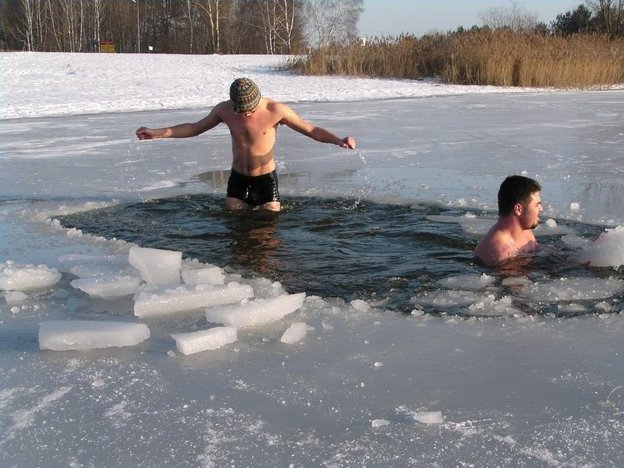
Several videos depicting Russian school-children running around wearing nothing but swimsuits as they play with snow and buckets of water in freezing winter temperatures have pretty much gone viral, because of social media users curious to see what Those Crazy Russians are doing now. But is it really crazy? Or, are Western parents the crazy ones for wrapping their children in cotton wool?

Source: Radziszewski.Marek
Olesya, head of Kindergarten Number 168 in Barnul, south Siberia, says that accusations of cruelty are entirely wrong. About 18 years before she was interviewed for this 2012 article, she and other teachers were concerned about their students' health. Influenza was common, and at times half of the children were sick. Now, much of these illnesses are prevented by children first doing exercises inside with their teacher, and then spending a minute and a half scrubbing themselves and playing with snowballs and buckets of water. It is said that in general, 95% of the children who participate in this are healthy during the flu season, compared to 75% among those who don't. The "dousing" goes on all year round, summer (which can reach temperatures of 30 degrees Celsius) and winter, unless it gets below -30C.

But is there any research to back this all up? Well, yes; for example, this small study suggests that swimming in cold water may "toughen" the body. Ten healthy people who regularly participate in winter swimming were found to have higher levels of glutathione, the "master" antioxidant, than usual. This may be because of mild, acute oxidative stress caused by the cold water exposure. In another study on winter swimmers, the swimmers had higher levels of glutathione, and lower levels of oxidized glutathione compared to healthy controls. This time, there were 36 winter swimmers and 40 "normal people" (who wants to be normal anyway?) The winter swimmers also had much higher levels of the antioxidant enzymes catalase and superoxide dismutase. Interestingly, their levels of non-oxidized glutathione, vitamin C and uric acid, which are all antioxidants, dropped significantly during swimming. All of this could mean that the stress caused by swimming in cold water triggers the body to produce more of its own antioxidants, in order to protect itself from damage. In fact, previous research found that winter swimmers suffered 40% fewer upper respiratory infections, validating Olesya's observations. On the other hand, if left alone, levels of antioxidant enzymes fall with age. Overall, perhaps a teaspoon of cement to harden up and a cold shower or swim could be the best "flu shot" for you, but if you have any cardiovascular or other chronic health issues, it is best to see your doctor first.

Tuesday, 13 September 2016

Can You Repel Ticks With Essential Oils?

Ticks are annoying, but did you know that they could also be dangerous? Some ticks carry Lyme disease, a tick-borne, and often sexually-transmitted, disease known to be caused by bacteria of the Borrelia species. Normally when a tick is removed, there may only be some itching and minor swelling. However, Lyme disease commonly results in a "bulls-eye" rash that spreads around the bite like a target pattern, although many people never see this rash. Flu-like aches and pains are some other initial symptoms of Lyme. If it isn't treated right away, the bacteria can stay inside the body and cause more chronic symptoms, such as arthritis, fatigue, cognitive issues, numbness, weakness or headaches. The worst part for some people is that in Australia, Lyme disease is not recognised as existing in the country! Patients who cannot find doctors with access to the appropriate antibiotics, and naturopaths trained in Lyme disease, often end up with a severe, chronic illness and  sometimes have to travel to countries like Germany for treatment.

Syzygium aromaticum/Clove.
Fortunately, there are both chemical and natural ways to repel ticks, which is good news for those who may react to the chemical repellents. Some essential oils that may be toxic to tick larvae (in this study: Rhipicephalus (Boophilus) microplus) are Mexican oregano (Lippia graveolens), rosemary (Rosmarinus officinalis) and garlic (Allium sativum) oil. Mexican oregano and garlic oil killed 90-100% of tick larvae at all concentrations ranging from 1.25-20%, while rosemary oil only killed at least 85% of larvae at 10-20% concentration. Another study tested the effects of vetiver oil (Chrysopogon zizanioides) against not only the tick species Rhipicephalus microplus, but also Amblyomma cajennense. Vetiver oil was able to reduce egg production, egg hatch rates and also survival of larvae, at rates higher than some conventional products. Oregano oil (Origanum bilgeri) may also repel and kill ticks (in this study: Rhipicephalus turanicus Pomerantzev). The dominant constituent of this essential oil, making up 93% of it, was carvacrol. After 48 hours, the oregano oil at a concentration of 0.8% killed over 83% of ticks, and over 63% at a concentration of 0.4%. In another study, this time testing clove oil (Syzygium aromaticum) and Java citronella (Cimbopogon winterianus) against R. microplus, clove oil was able to kill ticks at different stages of their life cycle at a rate of 92-100%. An ubiquitous essential oil in Australia is tea tree oil (Melaleuca alternifolia). This was found to completely inhibit reproduction in R. microplus ticks at 5% and 10% concentrations, and at a 1% concentration was able to kill off 70% of the ticks. One basic recipe for a natural tick repellent involves 4 ounces of base/carrier oil, and 40 drops in total of tick-repelling oils, such as clove, garlic and carvacrol-rich oils. It is recommended to use this whenever camping, hiking or during any outdoor activity where the risk of tick bites is high. Using both natural and conventional tick repellents may be best.

Prevention is always best, partly because of how difficult Lyme disease is to treat, but an interesting pre-clinical study suggests that, of all things, stevia leaf extract may be effective in fighting the bacteria that cause this terrible condition. Stevia extract was shown to significantly reduce the biofilm, a protective coating that the bacteria produce to resist antibiotic and immune attack, and wiped out much of the bacteria. While more research, especially human trials, are needed in the natural prevention and treatment of Lyme disease, of course there is hope.

Thursday, 25 August 2016

European Study Favours Raw Milk

Whether or not raw milk is safe to drink has been a controversial issue for many years, particularly in countries with more nanny-state tendencies (why I'm "not allowed" to recommend it, apparently we're all small children here). However, a study published in early 2015 showed that babies given raw cow's milk instead of UHT formula actually had a reduced risk of common infections, such as colds and ear infections.

This study, known as the PASTURE study, followed 983 babies from five countries for the first year of their lives. They came from rural areas in Austria, Germany, Switzerland, France and Finland. Even though most European societies discourage raw milk consumption, many farming families who can produce their own still drink it. The invention of refrigerators, plus the freshness, are most likely factors contributing to the lack of tuberculosis, listeriosis etc. seen in these families. Pasteurisation was invented in the 1860s, while refrigerators appropriate for home use were invented in the 1910s. Like human breast milk, however, cow's milk may contain beneficial constituents such as antibodies which assist the immune system.

In this study, parents were instructed to record what types of milk their babies consumed and the occurrence of infections from week 8 to week 53. There were very few "missing values" in the diaries given out, and as most infections are not reported to doctors, parents' reporting was more likely to be accurate. UHT milk was used as a control, with pasteurised milk, boiled fresh milk and raw milk all compared in terms of infection incidence. Raw milk was the most protective against infections, with a 29% reduced risk of rhinitis (runny nose); a 23% lower risk of respiratory infections; a 31% reduced risk of fever and an impressive 86% reduced risk of ear infections. Boiled, fresh farm milk was associated with a 22% and 35% lower risk of respiratory infections and fever respectively, similar to raw milk. However, there was only an 18% lower risk of rhinitis and a 46% reduced risk of ear infections. Compared to UHT milk, pasteurised milk only reduced the risk of fever, by 31%. Only raw milk was linked with a significantly lower level of an inflammatory marker known as high-sensitivity C-reactive protein (hsCRP). Babies who were given raw milk had 34% lower levels of hsCRP, regardless of infection or how long they were breastfed. Higher levels of hsCRP are linked with increased risk of obesity, respiratory impairments such as asthma and blood lipid profiles that are associated with cardiovascular disease.

There were other factors that also affected the risk of infection in the babies studied. Having older siblings was associated with a higher risk of infections, especially ear infections where there was more than double the risk. Living on a farm was linked with a 11-25% lower risk of infections. Parental history of atopic conditions (e.g. eczema) was only associated with a 21% higher risk of rhinitis and a 12% higher risk of respiratory infections. Surprisingly (based on what many mothers are told), a Caesarean birth was not significantly associated with higher risk of any infection.

Monday, 22 August 2016

Four Uses for Geranium Oil

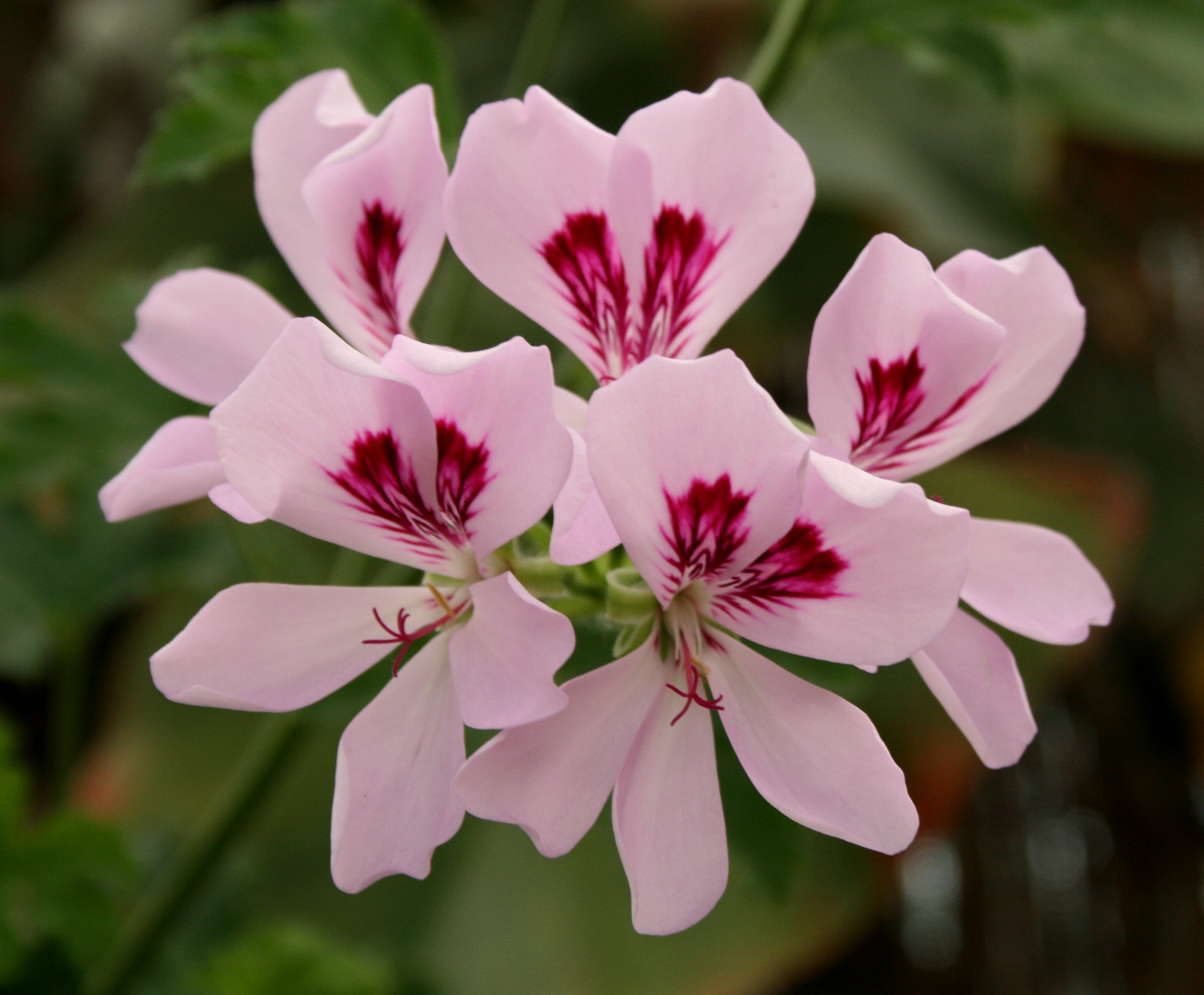
Making your own skincare products, and other products for use around the home, can be a fun way to be more self-sufficient or start a business, and is often an essential step towards reducing your exposure to toxic chemicals. One essential oil that you should consider for your recipes is the oil of rose geranium (Pelargonium graveolens), a plant with more than just a pretty face. Geranium essential oil is distilled from the leaves, not flowers, and with many similar properties to rose oil, can be a cheaper alternative.

One property of geranium essential oil may be the ability to help prevent allergic reactions. A preclinical study showed that geranium oil inhibited the degranulation of mast cells. Mast cells are a type of immune cell involved in the inflammatory allergic response, and degranulation is one of the steps in the allergic response. Citronellol, the main phytochemical in geranium oil, was also able to prevent mast cells from producing tumour necrosis factor-alpha (TNF-a) during exposure to antibodies. TNF-a is an inflammatory substance with often destructive effects. Another primary component of geranium essential oil is geraniol. While it cannot reduce TNF-a production according to one study, it was able to increase production of an anti-inflammatory substance known as interleukin-10.

Pretty P. graveolens. Source: Allgau
Geranium essential oil may also be able to reduce the pain seen in post-herpetic neuralgia. A clinical trial involving 30 patients showed that geranium oil was able to significantly reduce both spontaneous and evoked pain, an effect which was dependent on the dose. A dose-dependent effect means that the treatment is more likely to be responsible for the effect. While topical use of capsaicin (found in chillis) can take two weeks to relieve pain, geranium essential oil was able to do so in minutes. One of the patients in the study was almost bed-ridden because of the severity of her pain, but with continued use of geranium oil she was able to resume a normal life! A limitation of this study was that patients were only observed for an hour, as pain relief was still increasing after the 60-minute point. Some also found the oil irritating at higher concentrations, so be careful if you are sensitive.

Geranium oil may even be a useful ingredient in natural tick repellents, well, if one of the ticks in your area is Amblyomma americanum (the lone star tick). Certain components of P. graveolens essential oil were able to repel this species of tick up to a success rate of 90%! The most effective was 10-epi-gamma-Eudesmol, which was comparable to DEET when tested. However, it may be best to use geranium as a part of your tick repellent recipe, instead of replacing the other ingredients that already work for you.

Finally, geranium essential oil could even be used to control mites in the home, if the species Dermatophagoides farinae and D. pteronyssinus are common where you live. Interesting Latin fact: "Dermatophagoides" means something along the lines of "skin eater", but this would only be dead skin that's already fallen off you. The most effective components of geranium essential oil were geraniol and beta-citronellol; they were even more effective than DEET!
Overall, many essential oils such as geranium have many uses, it all depends on what is best for you and your home on an individual basis.

Thursday, 21 July 2016

Hope in Ending HIV Infections

AIDS is no longer the unstoppable monster it once was, with rates of new infections, including those from mother-child transmission, falling around the world. This year, Thailand became the first country in Asia to end mother-child HIV transmission, and others, such as Haiti in the Caribbean, are close behind. There are still 150,000 children becoming infected every year, but we have come a long way. The WHO has also recognised Armenia and Moldova as eliminating mother-child transmission. While it is not my favourite source, The Huffington Post has reported that 17 other countries in the Americas may have eliminated mother-child transmission of HIV and syphilis. This includes Cuba, the first country in the world to receive validation of this achievement.

But what have I learnt from my naturopathy degree, in regards to HIV/AIDS? Usually it has just been "supportive" care, solely focused on reducing the side-effects of the pharmaceutical drugs. However, in the last few weeks of my degree, I learnt of a study where a 4-herb formula known as Immu-25 was tested for its effects on viral load and CD4 cell count. In this early trial, 36 patients with CD4 cell counts below 500 cells/uL were given two capsules of the formula daily under an open-label study. The results? There was an increase in weight, from 58kg on average to 63kg at 6 months, 64kg at 12 months and 68kg at 18 months. Cough, fever, diarrhoea, anorexia (lack of appetite) and fatigue all decreased with the herbal treatment. These results are especially relevant to naturopaths, who are not allowed to say that we actually treat HIV in Australia; however we can say that we offer supportive care to improve quality of life. As for viral load, there was a decrease from the average of 326,438 at baseline, to 180,495 at 6 months, and 22,069 at 12 months. That is an over 90% reduction in one year, instead of viral load constantly increasing or staying constant! As for CD4 cell count, the average baseline value was 243 cells/uL, which increased to 336 after 6 months, then rose to 527/uL at the 12-month point, and then to 618/uL after 18 months. According to WebMD, 500-1500/uL is the normal range for CD4 cells. The only side effects were mild gastrointestinal disturbances, nowhere near as severe as those caused by pharmaceutical drugs. These benefits and the lack of drawbacks mean that I am very disappointed that this is not more widely known and researched. What if the use of this formula could result in at least a reduction of pharmaceutical doses? 

Holy Basil. Source: Mokkie
The four herbs in Immu-25 are Withania somnifera, Ocimum sanctum, Emblica officinalis and Tinospora cordifolia. The first is withania, or ashwagandha, commonly used by naturopaths for conditions where there is debility. The second is known as holy basil, another adaptogen for those with fatigue-related conditions. The third is amla, or Indian gooseberry, and I am not familiar with it, but have heard of it. The fourth is known as Guduchi or Amrita, among other names, and this is the first time I have heard of it.

Finally, another, non-pharmaceutical way to prevent HIV infections is by ending child marriage and increasing career etc. opportunities for girls. Girls who have been pushed into marriage have less power over their lives, and so are more likely to be forced into unprotected sex. Girls who have to engage in prostitution because there are no other options are also at risk. This is one of the many reasons why I am passionate about increasing and improving education for girls.

Wednesday, 18 May 2016

Avoiding The Flu This Winter, Or Summer

Some of my blog posts, and my interest, lies in natural means to reduce mortality rates, so I was pleased to hear recently that falling death rates in the UK have been significant enough to affect the shares of funeral parlours. Unfortunately, this article also stated that there was a recent rise in mortality rates because of a particularly nasty flu season. With winter arriving in Australia soon, I would like to share some ways to reduce the risk of catching influenza, which kills many immunocompromised each year.

I will start with a vitamin that has for a long time been associated with the prevention of infections...not vitamin C, but vitamin D. Researchers from Winthrop University Hospital found that giving vitamin D supplements to women of an Afro-Caribbean background (darker skin reduces vitamin D production) reduced common cold and influenza infections by 70% over three years. These researchers stated that the additional vitamin D increased stimulation of innate immunity, that is, the immunity that you don't have to take days to "learn" whenever your immune system meets a new disease-causing microbe. The drop in vitamin D production that comes with spending less time in the sun is a likely trigger of the "flu season", and partly why the elderly are more vulnerable to influenza as other health problems can mean spending less time outside. The news article describing this study also discussed research showing protective effects of vitamin D against multiple sclerosis, cancer and cardiovascular disease.

Giant kelp, a vegetable rich in iodine.
Older research, published in 1945, shows a protective effect of iodine against influenza. When mice were exposed to the influenza virus, the disease was prevented by putting iodine solution on the snouts of the mice. It is said that students in some classrooms were once protected from influenza by iodine aerosol sprays, so why not the elderly in nursing homes? It is likely that many elderly people have suboptimal iodine levels, because while it is added to table salt, many doctors advise against salt consumption. A quote attributed to Dr Volney S Cheney also describes an ability of sodium bicarbonate to either prevent influenza or turn an often serious disease into a mild infection, while living in the shadow of the Spanish Flu Epidemic of 1918-19. In animal studies, another mineral, selenium, has been found to significantly cut down the severity of influenza infections. Selenium is one of the nutrients required for glutathione production, an antioxidant produced by our bodies which can prevent damage, to our immune cells and other tissues, caused by infection-induced inflammation. The top food source of selenium is Brazil nuts. While there are many herbs which can fight influenza, such as Pelargonium sidoides, I focused on affordable nutrients in this post because of the financial restrictions of many elderly people, who are usually the worst affected during the flu season.

Wednesday, 16 March 2016

Unneccessary Treatments?

As part of the NPS Choosing Wisely campaign, 14 medical colleges in Australia have recently nominated certain common medical treatments as "wasteful" in an effort to reduce healthcare costs. Naturally, some are happy with the changes, and others are furious. Headlines in today's newspapers are carrying on about children being "left to suffer" instead of being allowed antibiotics for ear and upper respiratory infections, as well as paracetamol or aspirin to relive fever.

So what are the medicines and tests that doctors are now calling "unnecessary"? Here is the list:
1) Antibiotics for ear infections (especially 2-12 year old children)
2) Paracetamol or aspirin to control fever
3) X-rays of ankle or foot trauma
4) Chest X-rays for uncomplicated bronchitis
5) Routine colonoscopies
6) Antibiotics for upper respiratory tract infections
7) Long-term anti-inflammatories for elderly patients
8) X-rays for lower back pain
9) Repeated blood tests for people with fatigue
10) CT scans to check for appendicitis

Some of my classes had already discussed 1), as many ear infections are self-resolving, but I would say that they are sometimes necessary if the pain and inflammation haven't resolved in 2-3 days. There were a few natural remedies that we did talk about, but often there isn't much available for young children and their underdeveloped immune systems. I would also agree with 2), unless the fever is over 39 degrees Celsius or it's a baby under 3 months old (that is when you go straight to hospital, no baby under 3 months should be allowed to have a fever). As for 3), 4), 8) and 10), diagnostics are not my specialty, but with 5) I would also agree with their admission of the dangers of colonoscopy. It's invasive and you can disrupt the gut bacteria, which help to regulate immunity and may even make or break the effectiveness of new immunotherapy drugs for cancer. However, I would not say that antibiotics for upper respiratory infections are always unnecessary, I have needed them in the past and depending on age (ie children) and severity, antibiotics may be needed alongside natural medicines. Anti-inflammatory drugs can have devastating side effects because of their suppression of protein synthesis, so I agree with 7) as there are plenty of natural alternatives that can be very effective. This includes but is not limited to turmeric, frankincense and ginger, but please see a Bachelor-qualified naturopath if you want to heal inflammation naturally and especially if you want to stop corticosteroids. For 9) I would say that often the wrong things are tested for when someone presents with fatigue, what needs to be tested for is up to the individual.

Overall? I see these new guidelines as a mixed blessing. They may benefit some, may harm others and may open up some more minds to natural therapies.

Wednesday, 17 February 2016

Guess What Beat Steroids in Treating Cough?

One of the most famous, or infamous, depending on your experiences, classes of prescription pharmaceuticals is the corticosteroids. Aiming to relieve inflammation, these also unfortunately carry many severe side-effects, including those stemming from the fact that they inhibit protein synthesis. Fortunately, one study looking at natural alternatives to medications found a superior alternative in the treatment of post-infectious cough (PPC), a combination of honey......and......coffee! PPC is the name given to a cough that persists for at least three weeks after a cold or other upper respiratory tract infection, and these sometimes stay around for as long as several months. Besides corticosteroids, conventional treatment may also involve codeine, antihistamines, narcotic and bronchodilator drugs, which all carry their own negative side effects.

This study, conducted in Iran, involved 97 participants who had suffered from PPC for more than three weeks. They were divided into three groups: one receiving a jam-like paste consisting of 20.8 grams of honey and 2.9 grams of instant coffee; one receiving 13.3mg of prednisolone, a corticosteroid, and the last group receiving 25mg of guaifenesin (the control). The participants were instructed to dissolve a specific amount of the product they received in warm water, and to drink this every eight hours for one week. Both before and after the week of treatment, the severity of each person's cough was evaluated by a validated visual questionnaire score. While the honey-coffee group saw their cough frequency scores drop from 2.9 to 0.2, the steroid group showed a drop from 3.0 to 2.4, and the control group only showed a drop from 2.8 to 2.7. These differences were deemed to be clinically significant. The authors also stated that even though billions of dollars are spent every year on attempts to control and resolve coughs, the effect of cough medicines are not reliable, and that despite PPC not being responsible for any mortality, it does cause significant disruption to quality of life.

PPC is often caused by persistent inflammation of the upper airways. So, how exactly do coffee and honey work against this? Well, multiple studies have shown anti-inflammatory effects of coffee, such as one where caffeine was found to block caspase-1 and therefore production of interleukin-1beta, which is a common inflammatory cytokine. Caffeine may also relieve asthma by acting as a bronchodilator, as even small amounts have been shown to improve lung function, measured by forced expiratory volume and mid-expiratory flow rates. There seems to be no significant effect of caffeine on nitric oxide levels, which is a chemical that dilates airways and blood vessels. Honey has been found to possess anti-bacterial and anti-inflammatory properties, with the former being relevant to post-infectious coughs where there may be a subclinical infection. It has direct anti-bacterial properties from hydrogen peroxide and constituents derived from the flowers that the bees had taken the nectar from, as well as simply being able to dehydrate bacterial cells due to its high sugar content and acidic pH. Unlike caffeine, honey can increase nitric oxide, which is also anti-inflammatory. The other anti-inflammatory effects of honey come from its prostaglandin-inhibiting abilities, antioxidant effects and its ability to speed up healing, which reduces the "need" for inflammation. So in conclusion, even though it may not make sense that a mixture of coffee and honey is able to stop a cough that often calls for prescription drugs, it has shown efficacy and has plenty of other research to back it up.

*One of these side effects is tendon damage, which is actually a vomiting trigger for me if I think about it or see it.

Saturday, 6 February 2016

Zika, And Essential Oils That May Repel Mosquitoes


As many of us know already, since October 2015 Brazil has seen an unexpected spike in cases of microcephaly, a condition where babies are born with smaller head sizes and negatively affected brain development. The country has reported over 3,000 cases of microcephaly in newborns in 2015 and over 1,000 so far this year, up from 150 in the whole of 2014. These have since been linked to infections with the mosquito-borne Zika virus. Women in Brazil, Jamaica and other countries have been advised to delay pregnancy until more is known about the risks to newborns, while the CDC has issued a travel warning for over 20 affected countries. The importance of heeding these warnings for US travellers has sadly been underscored by the birth of a microcephalic baby in Hawaii, whose mother was infected during time in Brazil, and two more pregnant women in Illinois confirmed to be infected. While the Zika virus usually causes only mild symptoms of fever, joint pain, rash and eye redness, many never know they were ever infected, and there is no (recognised) treatment.

Avoiding areas with epidemics of mosquito-borne infections is always advisable, however, there are natural alternatives to the conventional DEET repellents which can be used in everyday situations, especially if you react to it. One such natural substance is the essential oil of Apium graveolens seeds, or celery seeds. This was tested in one study for its repellent effects against adult Aedes aegypti mosquitoes, as well as for any larvicidal effects. A. aegypti is the species of mosquito that carries the Zika virus. In the larvicidal test, the lethal concentration for half of the mosquito larvae after 24 hours was 16.1 parts per million (ppm), and 29.08ppm for 90% of the larval population. Longer exposure increased the toxicity potential of the oil, with another 24 hours of exposure reducing the lethal concentration for half of the larvae to 13.22ppm. As for the repellency test, the celery essential oil resulted in 100% protection against mosquito bites in the first 150 minutes, which is two and a half hours. Protection was reduced to 88.8% (one bite recorded) in the next 15 minutes, and then to 77% (two bites) in the last 15 minutes. Direct application of the essential oil did not cause any skin irritation, unlike conventional chemical repellents. However, it did irritate the mosquitoes. No adult mosquitoes were able to tolerate exposure to 10% seed oil, whereas exposure to only 1% seed oil on paper was enough for them to begin flying away from the paper after four seconds. During the 15 minute contact irritancy test, only 2-3 flights from the alcohol-impregnated paper were recorded, while there was an average of 63.66 takeoffs from the essential oil paper.

Another essential oil that may protect against A. aegypti mosquitoes is peppermint oil.  This study was also performed using the adult repellent and larvicidal tests, and like celery seed oil, peppermint oil was found to completely protect against bites for the first 150 minutes. In the next 30 minutes, only 1-2 bites were recorded for the treated participants as opposed to 8-9 for the control group. Peppermint oil was less effective than celery seed oil in killing off mosquito larvae, as the lethal concentration for 50% of the larvae was 111.9ppm; this was 295.18ppm for 90% of the larvae. The authors also stated that cinnamon, ginger and rosemary oils may be effective in repelling mosquitoes. Overall, evidence does recommend the use of essential oils to protect against mosquito bites, especially if there is hypersensitivity to conventional repellent, but standard precautions must still be taken and never ignored when there is the threat of irreversible harm such as birth defects. As new updates have stated that Zika may be transmissible through sexual intercourse, saliva and urine, avoiding infection is highly important.

Wednesday, 27 January 2016

Inflammaging and What to Do About It

One symptom of the aging process that we all learned about in anatomy and physiology is immune senescence, the breakdown of the immune system and its functioning. There is a reduction of bone marrow production of immune cells, and thus a reduced supply of immune cells; a reduction in their potency and loss of control over inflammation. This increased inflammation also drives aging via increased tissue damage, and is why many people now call aging "inflammaging" (an assignment on this scored me a 95% and I may have taught the teacher a few things). Besides "normal aging", it also raises the risk of age-related diseases such as arthritis, osteoporosis, cardiovascular issues and cancers (Age (Dordr)). Fortunately, there are natural medicines, such as extracts of Pu-erh tea, reishi mushrooms and Cistanche, that can fight immune senescence.

Pu-erh tea, native to China's Yunnan Province and consisting of fermented ripe tea leaves, is better than it sounds. Traditionally prescribed to emperors for longevity, supplementation with Pu-erh tea extract was shown to significantly reduce inflammatory markers in patients with metabolic syndrome. Levels of IL-6 fell by 21%, TNF-alpha fell by 23%, CRP fell by 26% and levels of anti-inflammatory IL-10 rose by 34% over the three-month duration of the study (Chin J Integr Med).

IL-6, written in full as Interleukin-6,  increases risk of death by 25% in those aged around 60, but increases it by 118% in people over 80, when its levels are high (Life Extension). Deaths from cardiovascular diseases and obstructive airway disease, as well as the risk of osteoarthritis and macular degeneration, are also increased by elevated IL-6.  Another inhibitor of IL-6 is turmeric, which has a high volume of research surrounding its effects. High CRP, or C-reactive protein, increases the risk of death by 158% in people over 80.

Reishi mushrooms, however, lack the bone marrow stimulating properties of Pu-erh tea, but are still able to resurrect the youthful patterns of circulating immune cells. It can also reduce IL-6 and raise IL-10 (Life Extension). Reishi can also enhance numbers and activity of the B lymphocytes. These produce antibodies, assist the macrophages/monocytes and present antigens to other B and T lymphocytes, therefore are indispensable to immune function (Life Extension). In addition, reishi mushrooms also have direct effects against Herpes simplex (cold sores), Herpes zoster (chickenpox and shingles), influenza viruses, Epstein-Barr viruses, and hepatitis B (Life Extension).

Cistanche is a new one for me. A tough desert plant, this has also been traditionally used for longevity. This has been shown to reduce inflammation in animal models of intestinal inflammation, while increasing numbers of immune cells such as macrophages and natural killer cells (Life Extension again). Cistanche also reduces IL-6, IL-4 and TNF-alpha, stimulates bone marrow production of white blood cells, increases numbers of the more versatile "naïve" T cells and reduces allergy markers such as histamine (LE). Interestingly, these effects have been found to lead to an increased life expectancy in mice bred to age faster (Evid Based Complemet Alternat Med). While control mice lived for an average of 325 days, all dead by around 385 days, the mice given Cistanche lived for an average of 375 days - an increase of 15.4%! The last of the mice given low-dose Cistanche lived until about 410 days, but mice in the medium and high dose groups still had survivors at 425 days. Back to the 15.4% increase - if this was applied to humans, someone with an original life expectancy of 81 years (around the average for Australia) would instead have a life expectancy of 93 years. Aside from the evidence suggesting that aging actually stops in the 90s (that would be primarily Michael Rose's research), perhaps amplifying such gains, there is a lot you could do with an extra 12 years of life.

Tuesday, 5 January 2016

Immunotherapy Is Older Than Many Think

Immunotherapy as a cancer treatment has received increased attention lately, mostly because Jimmy Carter was successfully saved by this non-toxic therapy. But it is not a new way of thinking about cancer! In the 1890s, the much misunderstood doctor William Coley was pretty much traumatised from losing a patient to sarcoma (I like him already! He had a soul!) and so began to sift through old records at New York Hospital in order to find something that would point him in the direction of an effective treatment (that did not involve amputation, obviously). Coley then discovered the case of a German man with a recurrent tumour on his neck, who was expected to die until his tumour just disappeared after a strep infection. He decided that the strep infection managed to reverse the cancer, and then tested his theory on another seriously ill man dying of sarcoma (do not try this at home! There are many immunotherapy/hyperthermia clinics, particularly in Europe). After getting his hands on a strong strain of strep bacteria, this man became violently ill, but in 24 hours his tumour began to disintegrate, and he completely recovered. William Coley finally got his revenge against sarcoma. Unfortunately, radiation overshadowed his successes, possibly because you couldn't type "radiotherapy side effects" into Google Images for another century. But then his daughter founded the Cancer Research Institute, and now there is a much greater understanding of the immune system and how it can fight cancer. I will say that all cancer deaths over the past 100 years were unnecessarily caused by the desire for one-size-fits-all treatments regardless of their toxicity. I am not going to mince my words like I am "supposed to", I hate the usual discourse around cancer where you are a monster if you do not accept death and toxic treatment ideas.

Why am I writing about this when I study natural medicine? Because it is not toxic, and there are things natural medicine can offer to make immunotherapy safer and more effective. One of these things is supplementation with Bifidobacterium probiotics. Mice given Bifidobacterium were able to respond to immunotherapy, and this actually exerted its own anti-cancer effects separately from the drugs. These bacteria did not leave the intestines, they simply communicated with roaming immune cells. Bifidobacterium containing probiotics are widely available, as well as a wide variety of nutritional supplements and herbs that can modulate the immune system, but there needs to be more research on combining these with immunotherapy drugs because most naturopaths don't seem to know how to work with them.

Sunday, 6 December 2015

Natural Alternatives for Shingles

So last week, for a change, I decided to cut off my almost waist-length hair in favour of a shingle bob (think Phryne Fisher, but without the fringe), with plans to eventually grow it out. Since then I have been meaning to write a blog post about shingles-the-disease and how to treat it naturally. Why? Sure it's usually not as serious as diabetes/aging/cancer/etc, but from all accounts I have heard, it is a painful, debilitating problem that can put you out of action for 3-4 weeks!

One treatment for shingles that should be more available is vitamin C injections, however I have heard of people achieving similar results with liposome-coated vitamin C as this apparently aids absorption. In one study, Dr Frederick Klenner gave 2,000-3,000mg of vitamin C by injection every 12 hours, as well as 1,000mg by mouth in fruit juice every two hours to eight patients with shingles. In seven of these eight, complete pain relief was observed within two hours of the first injection! Those lucky little - Anyway, their blisters also healed very quickly, with complete resolution in 72 hours (three days)! However treatment must go on for a few more days in order to prevent recurrence, according to Dr Klenner, who saw similar results with chickenpox (caused by the same virus as shingles, chicken pox is the original infection, shingles is the recurrence). Another study from 1950 showed complete resolution of shingles again within 72 hours in all 327 patients! These results are amazing, and with all of the other studies and case reports of viral infections being wiped out by vitamin C injections or intravenous administration, I am surprised that research and use did not continue.

Despite all of this success, upon describing the study with 327 patients to a teacher, he asked me, "is it right?" in terms of naturopathic philosophy. Well...it's natural, safe and effective so I would say YES! We are treating the cause (by also boosting immunity); using the power of nature; teaching patients of vitamin C's benefits; and doing no harm! I would much rather have this than another vaccination (I know very damaged young men), and if I did get chickenpox or shingles, I would seek out vitamin C injections or highly bioavailable oral supplements. I am not, nor will I ever be, another "wellness warrior" who makes her money off martyrdom and does not use the best natural therapies available because they do not fit in with narrow, arbitrary principles! I do not care if it appears to be "green allopathy" from a distance, as long as it works and I am not poisoning myself/giving myself another disease in the process then I'm for it. That is why I still mentioned chilli/capsaicin in another post on neuropathy. And also why I am linking to this study here, showing that reishi mushrooms, among other things, can reduce pain associated with this infection. Capsaicin can help with post-herpetic neuralgia too, but because these are symptomatic treatments only, I would recommend them alongside things to actually boost immunity and kill off as much virus as possible.