One of the shortcomings of my naturopathy degree (ie besides the minimal business education) is the almost complete lack of education in indigenous Australian medicine, besides the standard eucalyptus and tea tree, and some mention of lemon myrtle. This is most likely because of minimal scientific research into our native herbs, which is most likely caused by minimal awareness that these plants actually exist. The herbal medicines we do learn about are usually from anywhere but Australia (a friend of mine who told me about this mystery plant doesn't even know its name!).
Fortunately, some more indigenous herbal medicines are gaining sustained awareness, besides one or two news reports saying "X plant may cure X" before disappearing forever, and transforming communities in the process. I am talking specifically about Gulbarn, a bush that grows around Minyerri in the remote Roper region of the Northern Territory, about 580 kilometres southeast of Darwin. In 2013, Samara Billy, a resident of the Minyerri community, was showing representatives from the Enterprise Learning Project around said community in order to get funding for construction of an arts centre. Samara then showed the representatives a Gulbarn bush, and told them how it is traditionally used: as a tea, or a body wash. It is mainly used to soothe coughs and colds, or as Samara said, as a remedy for stress. The lack of caffeine and similar properties and flavanoids as green tea are responsible for its newfound popularity among buyers in Australia and Asia. While nobody was initially interested in using the tea at all, the community is now behind growing the business, with even young children getting involved on packing days and the women (especially Samara) mainly spearheading the business. This success is also now giving others in her community the confidence to come up with other business ideas.
Why is this so important? A deep, unshakable connection to the land means that leaving often very remote areas for work in the cities is not an option for so many indigenous Australians. Frequent lack of support for local businesses leaves indigenous communities with high unemployment and little economic power, which leaves many vulnerable to exploitation and control by government and others, and many turning to crime and substance abuse (did you think unemployment and the resulting dependence was in any way enjoyable?). One way to solve this is by increasing the promotion of, and research into, the native bush medicines, but not without the resulting businesses being run by the indigenous people in that area (who actually know what they're doing with these plants). As native herbal medicines are growing in their ideal environment around here, they are most likely to be producing the optimal profile of medicinal constituents and you probably won't kill them regardless of how terrible your gardening skills are. Medicinal constituents are "secondary metabolites", typically produced more when immediate needs of growth and survival aren't so hard to fulfill. I tried to grow milk thistle, but THE STUPID THING DIED when I was too busy to water it for a day or two.....Australian plants are tougher. Overall, everybody wins when herbal medicines native to Australia are not ignored and are a means to economic empowerment for indigenous Australians.
If you are interested in buying Gulbarn tea, click here. I do not know if this is only available for shipping in Australia or internationally.
Thursday, 9 June 2016

Tuesday, 7 June 2016
Stem Cell Injections May Help Stroke Patients
Patients once left dependent on wheelchairs to get around from suffering strokes are now walking again, since participating in a trial involving stem cell injections into the brain. With 18 patients, this is the second trial to test the effects of stem cell injections on stroke-related disabilities. Patients in the first trial, which was conducted by the UK company ReNeuron, also experienced significant reductions in their disabilities for more than a year after their injections. All patients in this second trial showed improvement, with an average mobility score improvement of 11.4 points, using a 100-point scale where 100 equals full mobility. It may seem small for those of us who haven't met these patients, but was deemed clinically significant for patients. The most dramatic improvements were in walking, communication, hand co-ordination and strength. One woman, who could only move her left thumb at the beginning of the trial, can now walk and lift her arm above her head. These effects wouldn't have happened spontaneously, as all of these patients' progress had plateaued long before the trials began.
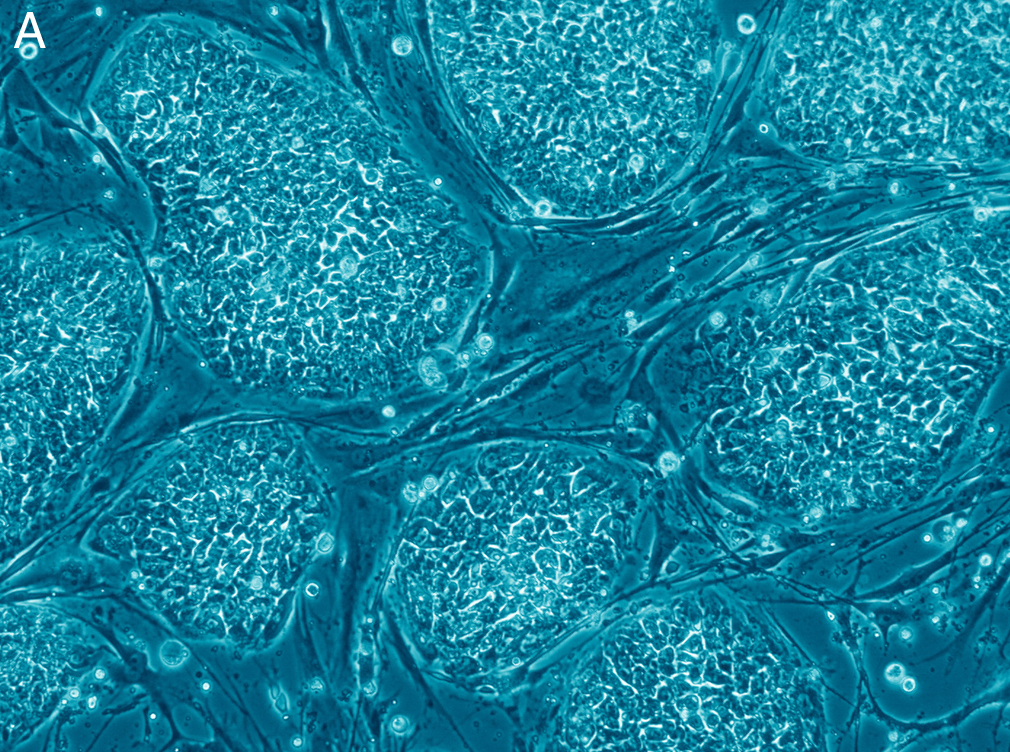 Unlike some trials, the stem cells used in this study did not come from the patients, but instead from two donors. These were injected into areas of the brain that typically control motor movements through holes drilled into their skulls (it wouldn't sound so bad if you were paralysed!), at amounts of either 2.5, 5 or 10 million cells. These stem cells are known as mesenchymal stem cells, which come from the bone marrow. While experiments on rats showed that these donor cells disappear in a month, these cells were engineered to possess a gene which activates pro-brain development factors in babies, and so produced growth factors that build connections between brain cells and promote blood vessel growth. The ReNeuron trial used stem cells from aborted foetuses which were grown to produce larger numbers of cells. Both companies are planning further, larger trials, while there are 30 others currently in progress. None have showed results as significant as those where the stem cells are injected right into the brain. In a rare news article speaking positively about international stem cell clinics, it has been reported that former and even current professional athletes are embracing stem cell therapy in order to maintain or regain health. These clinics are often located in Spanish or Russian-speaking countries, such as Mexico and Kazakhstan. It was noted that mesenchymal stem cells have a side-benefit of producing anti-inflammatory and pro-healing chemicals. [Image Source: Nissim Benvenisty/Wikimedia].
So why am I writing about this, besides the fact that I am completely obsessed with stem cells? Natural medicine is being found to have a place in stem cell therapy, as more research is released showing that natural substances can improve the efficacy of these procedures. In one such study, curcumin (from turmeric) was shown to improve the survival of stem cells transplanted to heal heart tissue. These cells also produced more vascular endothelial growth factor (VEGF), were less likely to be injured and improved heart function more. In another, a combination of spirulina, blueberry, carnosine, vitamin D3 and green tea increased the growth of neural stem cells and protected them against inflammation-induced destruction. This was inspired by research that showed a reversal of age-related cognitive decline and an increase in brain cell growth in rats after levels of the inflammatory interleukin 1-beta were reduced. Would I like to be involved in stem cell therapy, using natural medicines to improve outcomes and quality of life? Yes!
Unlike some trials, the stem cells used in this study did not come from the patients, but instead from two donors. These were injected into areas of the brain that typically control motor movements through holes drilled into their skulls (it wouldn't sound so bad if you were paralysed!), at amounts of either 2.5, 5 or 10 million cells. These stem cells are known as mesenchymal stem cells, which come from the bone marrow. While experiments on rats showed that these donor cells disappear in a month, these cells were engineered to possess a gene which activates pro-brain development factors in babies, and so produced growth factors that build connections between brain cells and promote blood vessel growth. The ReNeuron trial used stem cells from aborted foetuses which were grown to produce larger numbers of cells. Both companies are planning further, larger trials, while there are 30 others currently in progress. None have showed results as significant as those where the stem cells are injected right into the brain. In a rare news article speaking positively about international stem cell clinics, it has been reported that former and even current professional athletes are embracing stem cell therapy in order to maintain or regain health. These clinics are often located in Spanish or Russian-speaking countries, such as Mexico and Kazakhstan. It was noted that mesenchymal stem cells have a side-benefit of producing anti-inflammatory and pro-healing chemicals. [Image Source: Nissim Benvenisty/Wikimedia]. So why am I writing about this, besides the fact that I am completely obsessed with stem cells? Natural medicine is being found to have a place in stem cell therapy, as more research is released showing that natural substances can improve the efficacy of these procedures. In one such study, curcumin (from turmeric) was shown to improve the survival of stem cells transplanted to heal heart tissue. These cells also produced more vascular endothelial growth factor (VEGF), were less likely to be injured and improved heart function more. In another, a combination of spirulina, blueberry, carnosine, vitamin D3 and green tea increased the growth of neural stem cells and protected them against inflammation-induced destruction. This was inspired by research that showed a reversal of age-related cognitive decline and an increase in brain cell growth in rats after levels of the inflammatory interleukin 1-beta were reduced. Would I like to be involved in stem cell therapy, using natural medicines to improve outcomes and quality of life? Yes!
Saturday, 4 June 2016
Graduation and Qualification!
Finally, after four years, I've done it! I have finally finished my degree, a Bachelor of Health Science in Naturopathy! I have made so many friends, learnt so many things, and even self-published a book and started this blog! Years of studying nutrition, herbal medicine, biology, chemistry, clinical skills and practical training will soon pay off even more for me.
So what am I going to do? I'm going to Europe for a month's holiday next Saturday first, partly to see if I would like to work there or at least have a deeper involvement with the world of health on the continent. Then, it's time to begin the task of setting up clinical practice, which takes time as I first need my transcript to update my association membership, in order to get my insurance and health fund access. I need an account with pathology labs, a dispensary, furniture and a clinic room too. Then there's marketing, I am thankful for all my views and followers but I need better search rankings and visibility, especially here in Australia!
I would love to be antiaging and longevity royalty someday. I am looking at starting a line of skincare products and/or writing more books and even courses. I will probably do clinical practice part time to accommodate these. I want to have a balance between work and fun, so I can travel, dance, be with friends etc....you probably don't know that I am a semi professional belly dancer in a troupe! We are the Stars of the Sahara, and becoming more well-known on the Gold Coast. Will I even be able to combine my two passions, using dance or music as therapy? Who knows. I have my role models: that is you, my dance teacher; Angela Counsel; Kathy Wong (Moeloco flip flops); Dr Ursula Jacob; Dr Thomas Vogl; David McLelland and all of my teachers and other friends I have not listed behind me (even the chiropractor I had for over a year, an upstanding example of work/life balance). No one I studied with or under can get too far away from me, all us naturopaths know each other anyway.
My book is sold here: www.lulu.com/spotlight/alexandra_preston/
My Facebook page: www.facebook.com/springchickenhealth/
So what am I going to do? I'm going to Europe for a month's holiday next Saturday first, partly to see if I would like to work there or at least have a deeper involvement with the world of health on the continent. Then, it's time to begin the task of setting up clinical practice, which takes time as I first need my transcript to update my association membership, in order to get my insurance and health fund access. I need an account with pathology labs, a dispensary, furniture and a clinic room too. Then there's marketing, I am thankful for all my views and followers but I need better search rankings and visibility, especially here in Australia!
I would love to be antiaging and longevity royalty someday. I am looking at starting a line of skincare products and/or writing more books and even courses. I will probably do clinical practice part time to accommodate these. I want to have a balance between work and fun, so I can travel, dance, be with friends etc....you probably don't know that I am a semi professional belly dancer in a troupe! We are the Stars of the Sahara, and becoming more well-known on the Gold Coast. Will I even be able to combine my two passions, using dance or music as therapy? Who knows. I have my role models: that is you, my dance teacher; Angela Counsel; Kathy Wong (Moeloco flip flops); Dr Ursula Jacob; Dr Thomas Vogl; David McLelland and all of my teachers and other friends I have not listed behind me (even the chiropractor I had for over a year, an upstanding example of work/life balance). No one I studied with or under can get too far away from me, all us naturopaths know each other anyway.
My book is sold here: www.lulu.com/spotlight/alexandra_preston/
My Facebook page: www.facebook.com/springchickenhealth/
Saturday, 28 May 2016
How Dogs Can Improve Your Health
That little face, those little paws, that personality...dogs are the best! But dogs are more than just cute, playful little (or big) balls of energy; research has shown that they can boost health and life expectancy at any age, in a multitude of ways.
First, regular exposure to dogs can make children healthier by "training" their immune systems to be less sensitive to allergens. In a study on 285 babies, regular contact with dogs resulted in an allergen sensitisation rate of 19% instead of 33%, and an atopic dermatitis rate of 30% instead of 51%. Babies with the 159TT genotype had a 5% risk of atopic dermatitis if they were exposed to dogs, and a 43% risk if they weren't. Exposure to dogs also resulted in a higher IL-10 and IL-13 response at the age of one; these are two anti-inflammatory interleukins (as opposed to pro-inflammatory interleukins such as IL-6). It seems as though dogs hold more sway over respiratory health than the anti-atopy 159TT genotype, which contradicts the over-simplified "it's aaaaall in the geeeenes" high school biology classes I had. I myself have become less sensitive to my dog's fur over time. Dogs can also help children with autism, by reducing problematic behaviour and levels of stress hormones through their companionship.
As for adults, dogs can also reduce the risk of illness, with owners making 15% fewer doctor's appointments and taking less time off work (which means less catching up to do later!) Physical activity increases, and social bonds with other dog-owning friends strengthen as we are reminded to not be constantly working. The average dog owner walks approximately 5 hours a week, which is the Australian physical activity guideline for adults, and for empty-nesters, a fur kid can fulfil the need to be needed. "Elderly" dog owners have also been found to have healthier blood pressure and cholesterol (most likely from more walking); less stress, better nutrition and increased parasympathetic nervous system function - the side of the autonomic nervous system which stimulates digestion. There was even a small study of elderly patients hospitalised for heart issues which found that pet owners were more likely to survive! Owning a dog or other pet comes with a wide range of health benefits, but if you cannot afford or keep one yourself, perhaps volunteering or taking on an on-the-side job with dogs will bring the same benefits.
 |
| My dog, Charlie |
As for adults, dogs can also reduce the risk of illness, with owners making 15% fewer doctor's appointments and taking less time off work (which means less catching up to do later!) Physical activity increases, and social bonds with other dog-owning friends strengthen as we are reminded to not be constantly working. The average dog owner walks approximately 5 hours a week, which is the Australian physical activity guideline for adults, and for empty-nesters, a fur kid can fulfil the need to be needed. "Elderly" dog owners have also been found to have healthier blood pressure and cholesterol (most likely from more walking); less stress, better nutrition and increased parasympathetic nervous system function - the side of the autonomic nervous system which stimulates digestion. There was even a small study of elderly patients hospitalised for heart issues which found that pet owners were more likely to survive! Owning a dog or other pet comes with a wide range of health benefits, but if you cannot afford or keep one yourself, perhaps volunteering or taking on an on-the-side job with dogs will bring the same benefits.
Friday, 27 May 2016
More On Telomeres and Antiaging
Previously, I have written about gene therapy experiments and natural substances that have been shown to fight telomere shortening. Telomeres are protective caps on the ends of chromosomes which protect the DNA from damage or rearrangement; no telomeres means no cell division, and thus more biological aging. Two more telomere-protecting substances, to add to the previous list, are epithalamin and the carotenoids.
Epithalamin is a naturally occurring peptide, produced by the pineal gland in the brain. A peptide is a very short protein; the synthetic version of epithalamin, known as Epitalon, is made up of only four amino acids: alanine, glutamine, aspartate and glycine. Epithalamin aids in the hormone and blood-regulating roles of the pituitary gland, and may also be an antioxidant and adaptogen (a substance which increases resistance to stress). The synthetic version, Epitalon, was first studied in the 1980s by Russian professor Vladmir Khavinson. In his subsequent research, he found that cells treated with Epitalon were able to divide for a total of 44 times before their telomeres became too short, ten more divisions than the control cells. Other effects of Epitalon that Prof. Khavinson and his team have found are: normalisation of the hormones LH, FSH and prolactin; neuroendocrine regulation; normalisation of T cell (a class of immune cell) function and regulation of cholesterol and uric acid levels. Epitalon can be administered orally, nasally or by injection.
Sources: Bulletin of Experimental Biology and Medicine; 2003, PMID 12937682; and 2002, PMID 12577695
Modulating Aging and Longevity, SI Rattan
Carotenoids are a much more affordable and accessible group of substances, found in a wide range of fruit and vegetables, that may fight telomere shortening. One of these, beta-carotene, can be converted to vitamin A. Data from the National Health and Nutrition Examination Survey (NHANES) demonstrated that doubling blood levels of alpha-carotene, beta-carotene and beta-cryptoxanthin was associated with 2% longer telomeres, possibly good for at least one extra cell division. Alpha-carotene was associated with a 1.76% increased telomere length, beta-cryptoxanthin with a 2.02% increased telomere length, and beta-carotene with a 2.22% increased telomere length. From the lowest to highest levels of these carotenoids, telomere length increased by 5-8%. Of course, not everyone even consumes foods high in carotenoids, which leaves much room for benefit. This is only an association, so more research is likely needed to determine a direct causation (though it is most reflective of the real world), and how carotenoids may work synergistically to provide a greater benefit. Should we be eating carotenoid-rich foods every day for their health benefits? Yes! Sweet potato chips (fries) taste much better than white potatoes!
Epithalamin is a naturally occurring peptide, produced by the pineal gland in the brain. A peptide is a very short protein; the synthetic version of epithalamin, known as Epitalon, is made up of only four amino acids: alanine, glutamine, aspartate and glycine. Epithalamin aids in the hormone and blood-regulating roles of the pituitary gland, and may also be an antioxidant and adaptogen (a substance which increases resistance to stress). The synthetic version, Epitalon, was first studied in the 1980s by Russian professor Vladmir Khavinson. In his subsequent research, he found that cells treated with Epitalon were able to divide for a total of 44 times before their telomeres became too short, ten more divisions than the control cells. Other effects of Epitalon that Prof. Khavinson and his team have found are: normalisation of the hormones LH, FSH and prolactin; neuroendocrine regulation; normalisation of T cell (a class of immune cell) function and regulation of cholesterol and uric acid levels. Epitalon can be administered orally, nasally or by injection.
 |
| Some flowers also contain carotenoids. Source: Rjcastillo |
Sources: Bulletin of Experimental Biology and Medicine; 2003, PMID 12937682; and 2002, PMID 12577695
Modulating Aging and Longevity, SI Rattan
Carotenoids are a much more affordable and accessible group of substances, found in a wide range of fruit and vegetables, that may fight telomere shortening. One of these, beta-carotene, can be converted to vitamin A. Data from the National Health and Nutrition Examination Survey (NHANES) demonstrated that doubling blood levels of alpha-carotene, beta-carotene and beta-cryptoxanthin was associated with 2% longer telomeres, possibly good for at least one extra cell division. Alpha-carotene was associated with a 1.76% increased telomere length, beta-cryptoxanthin with a 2.02% increased telomere length, and beta-carotene with a 2.22% increased telomere length. From the lowest to highest levels of these carotenoids, telomere length increased by 5-8%. Of course, not everyone even consumes foods high in carotenoids, which leaves much room for benefit. This is only an association, so more research is likely needed to determine a direct causation (though it is most reflective of the real world), and how carotenoids may work synergistically to provide a greater benefit. Should we be eating carotenoid-rich foods every day for their health benefits? Yes! Sweet potato chips (fries) taste much better than white potatoes!
Friday, 20 May 2016
Melatonin Superior to a Drug in Migraine Prevention
Migraine disorder is a debilitating, chronic neurological condition that affects between one in eight and one in five of the world's population. Despite this, it is estimated that half of patients stop seeking conventional care for their migraines, because of the side effects of pharmaceuticals such as amitriptyline. These can range from neurological symptoms, such as unusual thoughts or behaviour; gastrointestinal, such as vomiting or constipation; or genitourinal such as impotence. Fortunately, a randomised clinical trial investigating the effects of melatonin, a hormone produced by our pituitary glands, points to this hormone as a likely effective alternative. Previously I have mentioned that melatonin may keep telomeres at a more youthful length; these are the protective caps on the ends of chromosomes which guard the DNA and allow cell division, and are therefore important in keeping biological aging away.
A total of 178 patients experiencing migraines, with or without an aura, completed this study, where they were assigned to receive either 3mg of melatonin, 25mg of amitriptyline or a placebo. Melatonin was chosen because people who suffer from migraines are more likely to have low levels of the hormone. After three months of treatment, the number of migraine headache days dropped by 2.7 in the melatonin group, 2.1 in the amitriptyline group, and 1.1 in the placebo group, all from an average of around 7.5. Both melatonin and amitriptyline reduced the duration and intensity of migraine attacks, as well as the number of analgesics taken. However, while 39.1% of those taking amitriptyline experienced a greater than 50% reduction in migraine frequency, this figure was 54.4% in the melatonin group. The melatonin group also experienced fewer side effects, including less daytime sleepiness, which surprised me because melatonin is known as the "sleep hormone". Melatonin may also bring many side-benefits as opposed to side-effects, as it can stabilise cell membranes; reduce inflammation; modulate the neurotransmitters serotonin, dopamine, GABA and glutamate; and fight oxidative damage. Unfortunately, it may cause trouble in those taking opioid painkillers, and patients with diabetes or hypertension may also need to be monitored as it can reduce blood pressure and blood sugar. With careful monitoring, I would say that diabetic patients should look into it, as it does reduce inflammation and convert harmful white fat to the more beneficial brown fat, but seeing a qualified naturopath along with your doctor is necessary for a full consultation (I can't see you through the screen). Molecular doses of melatonin are not available in my state, only homeopathic doses (which may do something entirely different, such as in the case of bryonia extract vs homeopathic bryonia), and of course the nutritional cofactors. Hopefully I will be able to find others willing to fight for greater health freedom.
 |
| Melatonin release can be stimulated by darkness. Source: Hakon Dahle |
Wednesday, 18 May 2016
Avoiding The Flu This Winter, Or Summer
Some of my blog posts, and my interest, lies in natural means to reduce mortality rates, so I was pleased to hear recently that falling death rates in the UK have been significant enough to affect the shares of funeral parlours. Unfortunately, this article also stated that there was a recent rise in mortality rates because of a particularly nasty flu season. With winter arriving in Australia soon, I would like to share some ways to reduce the risk of catching influenza, which kills many immunocompromised each year.
I will start with a vitamin that has for a long time been associated with the prevention of infections...not vitamin C, but vitamin D. Researchers from Winthrop University Hospital found that giving vitamin D supplements to women of an Afro-Caribbean background (darker skin reduces vitamin D production) reduced common cold and influenza infections by 70% over three years. These researchers stated that the additional vitamin D increased stimulation of innate immunity, that is, the immunity that you don't have to take days to "learn" whenever your immune system meets a new disease-causing microbe. The drop in vitamin D production that comes with spending less time in the sun is a likely trigger of the "flu season", and partly why the elderly are more vulnerable to influenza as other health problems can mean spending less time outside. The news article describing this study also discussed research showing protective effects of vitamin D against multiple sclerosis, cancer and cardiovascular disease.
Older research, published in 1945, shows a protective effect of iodine against influenza. When mice were exposed to the influenza virus, the disease was prevented by putting iodine solution on the snouts of the mice. It is said that students in some classrooms were once protected from influenza by iodine aerosol sprays, so why not the elderly in nursing homes? It is likely that many elderly people have suboptimal iodine levels, because while it is added to table salt, many doctors advise against salt consumption. A quote attributed to Dr Volney S Cheney also describes an ability of sodium bicarbonate to either prevent influenza or turn an often serious disease into a mild infection, while living in the shadow of the Spanish Flu Epidemic of 1918-19. In animal studies, another mineral, selenium, has been found to significantly cut down the severity of influenza infections. Selenium is one of the nutrients required for glutathione production, an antioxidant produced by our bodies which can prevent damage, to our immune cells and other tissues, caused by infection-induced inflammation. The top food source of selenium is Brazil nuts. While there are many herbs which can fight influenza, such as Pelargonium sidoides, I focused on affordable nutrients in this post because of the financial restrictions of many elderly people, who are usually the worst affected during the flu season.
I will start with a vitamin that has for a long time been associated with the prevention of infections...not vitamin C, but vitamin D. Researchers from Winthrop University Hospital found that giving vitamin D supplements to women of an Afro-Caribbean background (darker skin reduces vitamin D production) reduced common cold and influenza infections by 70% over three years. These researchers stated that the additional vitamin D increased stimulation of innate immunity, that is, the immunity that you don't have to take days to "learn" whenever your immune system meets a new disease-causing microbe. The drop in vitamin D production that comes with spending less time in the sun is a likely trigger of the "flu season", and partly why the elderly are more vulnerable to influenza as other health problems can mean spending less time outside. The news article describing this study also discussed research showing protective effects of vitamin D against multiple sclerosis, cancer and cardiovascular disease.
 |
| Giant kelp, a vegetable rich in iodine. |
Subscribe to:
Posts (Atom)