Wednesday, 16 November 2016

Why Sweating Isn't That Bad

It may mean that your makeup runs, but breaking a sweat is the most cost-effective way to boost your natural detoxification abilities, no fasting or expensive protocols required! Whether you're working out inside or outside, or spending some time in a sauna, it doesn't matter, as long as you're sweating it seems to make the elimination of certain nasty toxins much easier (but stay hydrated!)

Sweating is a particularly good way of eliminating a class of toxins known as persistent organic pollutants (POPs). These include solvents, pesticides and fumigants - one of these pesticides being DDT, now banned in many countries. A study with 20 volunteers found that sweat contained a range of POPs, including DDT, DDE, endrin, endosulfan and methoxychlor. Sweat samples showed higher levels of POPs than blood or urine samples, which suggests that it may be the ideal way to detoxify from them. Some, such as DDT, were not found during blood or urine tests! Inconsistent, poor detoxification could mean that these are lingering inside the body, causing small but accumulating amounts of damage.

You don't have to join the navy, however.
Another type of toxin that sweating could help to remove is the phthalates, which are found in plastic products. In another study, also with 20 volunteers, sweat samples showed different amounts of phthalates compared to urine or blood samples. All volunteers had MEHP in their blood, sweat and urine, but its concentration in sweat was double its concentration in urine. Some had the phthalate DEHP in their sweat, but not in their urine. Bisphenol A (BPA) is another increasingly unpopular toxin. In 16 out of the 20 participants, BPA was found in sweat, where 14 of the urine samples and 2 of the blood samples were positive for it.

Heavy metals are also of a great concern to many people. Once again, a study showed that many of these were excreted through sweat more than anywhere else. On average, when compared to urine, sweat contained 24 times more cadmium, 19 times more nickel, 16 times more lead and nearly triple the amount of aluminum. Sweat was more effective than urine at removing 14 of the 18 heavy metals. While any physical activity can make you sweat, even swimming, there is a difference between infrared and steam saunas in terms of their effects on heavy metal detoxification. Sweat from infrared saunas was found to contain more bismuth, cadmium, chromium, mercury and uranium. Steam saunas had more aluminum, arsenic, copper, cobalt, manganese, nickel, tin, thallium and lead. Overall, working up a sweat is worth smelling a bit and needing a shower afterwards. Just research the effects of these heavy metals!

Monday, 14 November 2016

What? Eggs May Reduce the Risk of Stroke?

You read it correctly! Close to the release of the 2015 Dietary Guidelines for Americans, which places no limit on cholesterol intake, new research shows that eggs are actually linked with a 12% reduction in the risk of stroke. These new guidelines, instead of condemning eggs for their cholesterol content, state that they are an easily accessible, affordable source of high-quality protein.

Source: Timothy Titus
Published in the Journal of the American College of Nutrition, the researchers found that consuming up to one egg per day had no effect on coronary heart disease (CHD) risk, and a 12% lower risk of stroke. These results came from a systematic review and meta-analysis, using research conducted between 1982 and 2015 with a total of 276,000 people in the studies examining CHD risk and 308,000 in the studies on stroke risk. The principal investigator, Dr Dominik Alexander, stated that more research is still needed on exactly how eggs may be protective against stroke. However, he did note that eggs are not only a source of protein, but also contain the antioxidants lutein and zeaxanthin, which are carotenoids with a yellow pigment and present in the (yellow) egg yolk. Eggs also contain the vitamins A, D and E. His research also builds on another 2015 meta-analysis where eggs were not linked to any increased risk of cardiovascular diseases. As stroke is the fifth leading cause of death in the USA, a 12% lower risk means a lot of people. According to MedicalNewsToday, the choline in eggs plays an important role in breaking down homocysteine, which has been linked to cardiovascular issues. The lutein and zeaxanthin has also been associated with protection from macular degeneration. On top of this, the fact that eggs give sustained, satisfying energy may help with weight management, as you are less likely to want sugary snacks. Eggs are another source of DHA, which is an anti-inflammatory product of omega-3 fatty acids.

Cholesterol itself may not be that bad either, in fact it may even be beneficial! A 1988 study trying to find a relationship between blood levels of cholesterol and cancer risk found that, compared to the lowest quintile of cholesterol levels, men in higher quintiles had a 19-54% reduced risk of cancer, with the level of protection rising alongside their cholesterol levels! Women did not have such a dose-dependent reduced risk of cancer; compared to the lowest quintile, women in the second quintile had a 25% lower risk, a 16% lower risk in the third, a reduced risk of 22% in the fourth and a 30% lower cancer risk in the highest quintile. These results were not linked to higher levels of vitamin A, E or selenium. They weren't too much to laugh at either, as the study involved over 39,000 people aged 15-99, and had a follow-up of ten years. The strongest protective effects seen were in the first few years of follow-up, especially for fast-growing cancers. GreenMedInfo, in fact, has curated several studies showing that statins may increase the risk of cancer. One of these also linked statin use to accelerated aging and increased mortality, links which increase in strength with age. As cholesterol is a necessary component of cell membranes (Principles of Anatomy & Physiology - Tortora & Derrickson), these associations should not be shot down just because an "authority figure" in the media says that statins are safe and cholesterol is evil. The idea that cholesterol is evil began with animals who are not usually natural meat eaters being fed cholesterol (dogs did not develop cardiovascular issues). Then in the 1950s, Ancel Keys studied 22 countries to find a link between cholesterol and cardiovascular diseases, but used the results from the seven countries that showed the results he wanted. Overall, eggs (and cholesterol) aren't the awful things we once thought, although more research may be needed to see what happens to people's health before and after adding eggs to their usual diet.

Thursday, 10 November 2016

Olive Oil May Fight Wrinkles

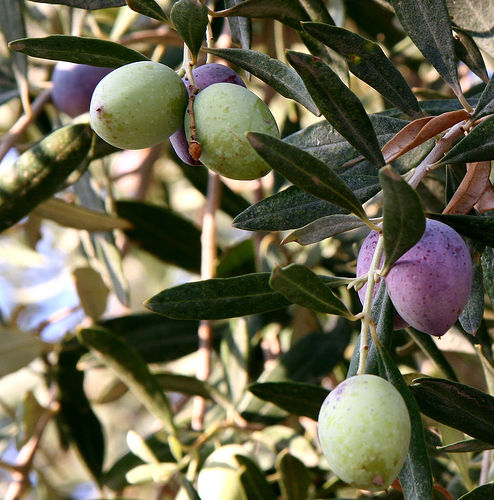
We want to look our best, especially during summer, which is just beginning in the Southern hemisphere, but products marketed as having antiaging properties are often expensive with no promise of results. But what if a cheap, widely available plant oil was actually effective in fighting the aging process? Research has suggested that the ubiquitous olive oil may not only benefit cardiovascular health, but also fight wrinkles.

Source: Nick Fraser
The health benefits of olive oil are due to its antioxidant and anti-inflammatory abilities, which prompted research into what effects it may have on skin aging. A cross-sectional study was then performed on 1,264 women and 1,655 men between 45 and 60 years old, who were part of the SUVIMAX cohort. Dietary intake of mono-unsaturated fats was estimated through diet records, and severity of skin photoaging was graded by trained investigators using a 6-point scale. "Photoaging" is what it sounds like, it is the aging that results from too much UV radiation. Overall, a higher intake of mono-unsaturated fats (MUFAs) (highest vs lowest quartile) reduced the risk of severe photoaging by 24%. For MUFAs in vegetable oils, being in the highest quartile of consumption resulted in a 37% reduced risk for women and a 45% reduction for men. No association was found between MUFAs and skin aging if they came from animal products. Additionally, only olive oil had a significant effect on skin aging. Therefore, increasing your olive oil intake, in salad dressings and dips to prevent heat-related oxidative damage, could be a good idea over the Southern hemisphere summer. If you don't like olive oil, you can always make your own skincare products rich in the oil or apply it straight to your skin.

How does olive oil work, if it's just an oil? One "active ingredient" may be oleuropein. In a study on elderly mice, oleuropein significantly increased collagen production and growth of epithelial tissue over several days. It was found that the oleuropein raised levels of VEGF, a growth factor which promotes wound healing. Olive oil could also change the expression of what was once thought to be untouchable: our genes. In a double-blind, randomised crossover trial, volunteers with metabolic syndrome were given olive oil-rich breakfasts with either a low or high phenol content. They all followed the same diet during this period too. The phenols in olive oil were found to modify the expression of 98 different genes, some of which were directly involved in inflammation. Aging is now sometimes known as "inflammaging", because most, if not all, age-related diseases have underlying inflammatory causes.

Olive oil could also have positive effects on another end-point of antiaging: mortality reduction. For this study, the results from the over forty thousand Spanish participants of the EPIC (European Prospective Investigation into Cancer and Nutrition) were used. During 13 years of follow-up, the highest quartile of olive oil consumption was linked with a 26% lower risk of dying when compared to those who did not consume any olive oil. There was also a 44% reduced risk of dying from cardiovascular disease. With every increase in olive oil intake of 10 grams, there was a 7% reduced risk of dying from any cause. There appeared to be a greater protective effect in people who did not smoke.

Wednesday, 9 November 2016

Probiotics May Affect Mental Health

The ability of probiotics to affect digestive and immune health now seems to be mainstream knowledge, with advertisements for over-the-counter brands shown on a regular basis. But did you know that they may also benefit your mental health?


Source: Quijote
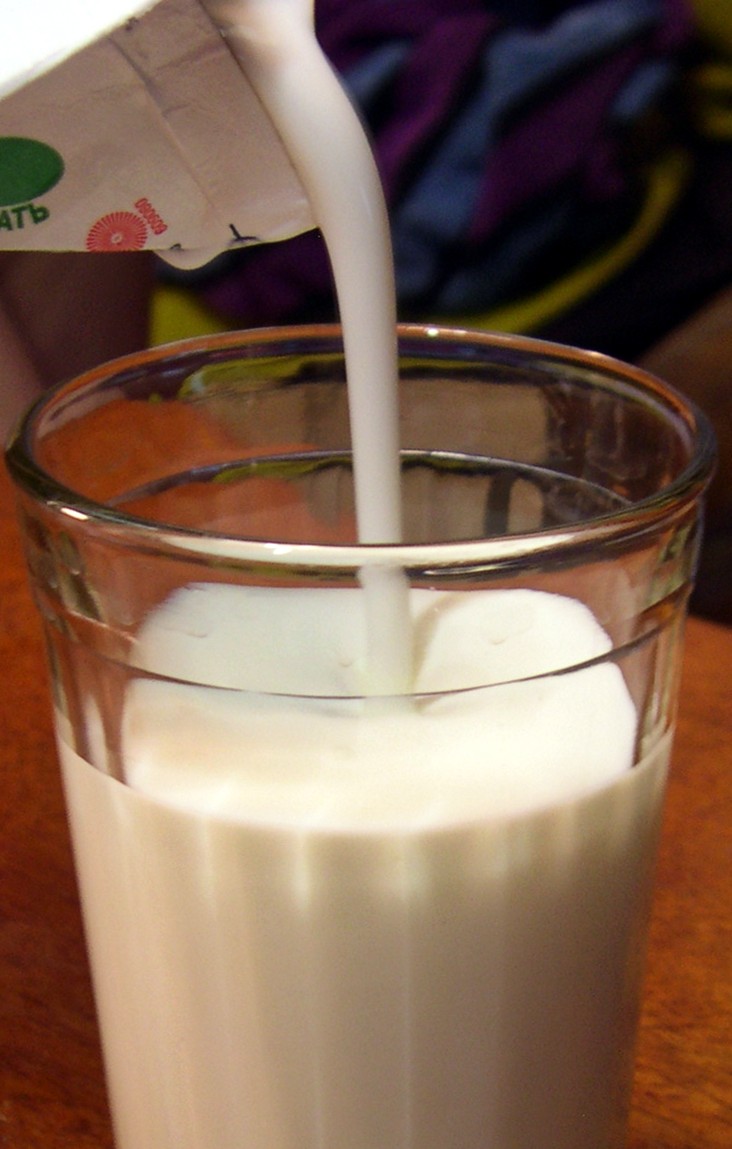
One such benefit of probiotics is that they could simply improve mood, in other words, make people happy! A study involving 40 people tested the effect of a probiotic supplement containing several species of Bifidobacterium and Lactobacillus bacteria on negative thought patterns. After 4 weeks, participants who received the probiotics had significantly less aggressive and ruminating thoughts compared to the placebo group. To "ruminate" means to repeatedly go over negative thoughts, which can feel uncontrollable. These results were seen as important because the thought patterns that probiotics reduced are known risk factors for depression. In another study completed by 124 people, volunteers were given either a probiotic milk drink or a placebo for three weeks. Those with low mood who were taking the probiotic were more likely to describe themselves as "happy" instead of "depressed" after the three weeks.

Probiotics may not just prevent depression, but could also reduce its severity if you already have it. A clinical trial of Lactobacillus helveticus and Bifidobacterium longum tested the two over 30 days for their effects on the Hospital Anxiety and Depression Scale (HADS) and the Hopkins symptom checklist. They found significant decreases in the sub-spheres of depression, somatisation and anger-hostility. "Somatisation" refers to the physical symptoms that can come with depression. The researchers then analysed the results of those with urinary cortisol levels of less than 50ng/mL at baseline. Cortisol is one of the primary stress hormones. Probiotics still significantly reduced these symptoms, as well as the "obsessive-compulsive", "anxiety" and "paranoid-ideation" scores in the Hopkins checklist. It was also pointed out that probiotics, unlike pharmaceuticals, are not addictive, and do not cause memory or learning impairments. Overall, it looks like probiotics could be an effective way to manage mood disorders naturally, but it is always best to consult a qualified practitioner of natural medicine first.

Tuesday, 8 November 2016

Could Nutrition Affect Motor Neuron Disease?

You probably remember the ALS Ice Bucket Challenge from a couple of years ago, which aimed to raise awareness of ALS (or Motor Neuron Disease, or Lou Gehrig's Disease) as well as money to fund research into the disease. But can we already take control of our risk of developing the disease, and could natural medicine help to fight it?

ALS/MND (let's go with ALS) is a neurodegenerative disorder that causes paralysis and eventually respiratory failure. I remember, at 15, being forced to watch Tuesdays with Morrie in Christian Studies class and being absolutely terrified as well as thoroughly depressed (this was before I knew much about natural medicine and before it was really respected). Discovering Life Extension and others after typing in "what is the meaning of life" as instructed by the teacher on another day was the best possible outcome. The median survival time after diagnosis is between 20-48 months, although 10-20% of patients survive longer than 10 years. As prevention is far better than any cure for diseases like this, there is now interest in nutritional and environmental factors that can affect the development and progression of ALS. In this analysis, reposted by Life Extension, nutrient intake and respiratory function of 302 people with ALS were measured and compared. Fruit and vegetable intake, and intake of antioxidants, particularly carotenoids, were associated with better functioning.
Source: B. Navez

Don't just settle for slower progression or "better functioning", you can reduce your risk of ALS too! Like many diseases, quitting smoking, or to be specific, never touching one, has a protective effect. A case-control study found that ever having smoked increased the risk of developing ALS by 70%! Lead exposure may be another risk factor for ALS. Another case-control study, on 109 ALS patients and 256 controls set out to determine what risk there may be. They didn't just stop at interviews or questionnaires this time; they also looked at blood and bone levels of lead. For every mug/dL increase in blood levels of lead, ALS risk increased by 90%. For every doubling of bone levels, ALS risk was raised by 2.3-3.6 times. A gene that increases the risk of lead poisoning also raised ALS risk by 90%. Fortunately, both smoking and use of lead seem to be falling out of fashion. Vitamin E and unsaturated fatty acid consumption, however, may reduce your risk of ALS by 50-60% when you have a high intake of both. Other nutrients, such as calcium and vitamins C and B2, did not reduce ALS risk. This may be because vitamin E and (omega-3, at least) unsaturated fats are fat-soluble antioxidants and anti-inflammatories respectively, and therefore have a high affinity for nervous tissue, which is fat based. Vitamin C and the others which showed no real effect are water-soluble, so there is less affinity for the nervous system.

But what about people who already have ALS? A 1998 study of 24 people with the terrible disease assigned them to one of two groups: one where they were injected with half a milligram of vitamin B12 for 2 weeks, and another where they got 25mg. No significant improvements were found in the low-dose group, but the high-dose group saw an increase in their average compound muscle action potential amplitudes (CMAPs) after 4 weeks. An action potential is basically a fancy name for "nerve signal". Acupuncture may even be another natural treatment for ALS, as seen in a case study of two patients. After 4 weeks (5 days a week) of acupuncture injection point therapy, both improved; one who stopped the therapy and relapsed, and another who continued and saw more gains. Clinical trials will be necessary to see if these effects can be generalised, and to see how acupuncture therapy could be improved. While much more research into how to fight ALS is needed, whether it's best to go integrative or all-natural, there is hope!

Thursday, 3 November 2016

Eat Your Way To Longer Telomeres

One proposed cause of aging is the shortening of our telomeres, which are protective caps of DNA on the ends of our chromosomes. These normally shorten with aging, and when they get too short, the cell cannot divide anymore, which in turn impairs tissue regeneration and our overall health. This is why longer telomere length has been linked to a lower risk of diseases such as dementia, diabetes and coronary heart disease. While some have taken this as meaning that youth and life expectancy are set in stone, research has demonstrated beneficial effects of changes you can make today.

In a Korean study on telomere length, 1,958 participants aged 40-69 were studied from 2001 to 2003. Dietary questionnaire responses were used to measure intake of folate; vitamins A, C, E, B1, B2, B3 and B6; and the minerals calcium, iron, zinc, phosphorous and potassium. At the ten-year follow-up, white blood cell telomere length was measured to compare it with nutrient intake. The adjusted analysis found a link between higher consumption of vitamin C, folate and potassium with a longer telomere length. It was only significant among those who were under 50, which was likely due to a lower intake of these nutrients.
Source: David Monniaux

The authors noted that previous studies have also shown a protective effect of vitamins C and E on telomere length, most likely because of their antioxidant effects. Fighting free radicals, which cause oxidative damage, can protect all parts of a cell, including the DNA. In a study of over 500 women, those who took multivitamins had telomeres that were 5.1% longer than in women who did not. When adjusted for multivitamin use, women in the highest quartile for vitamin C intake had an average telomere length of 5,620 compared to 5,318. Folate and some other B vitamins are involved in DNA repair and chromosome maintenance. It is unclear, however, whether or not supplementation could protect telomeres, but who wants to rattle like a bottle of pills anyway?

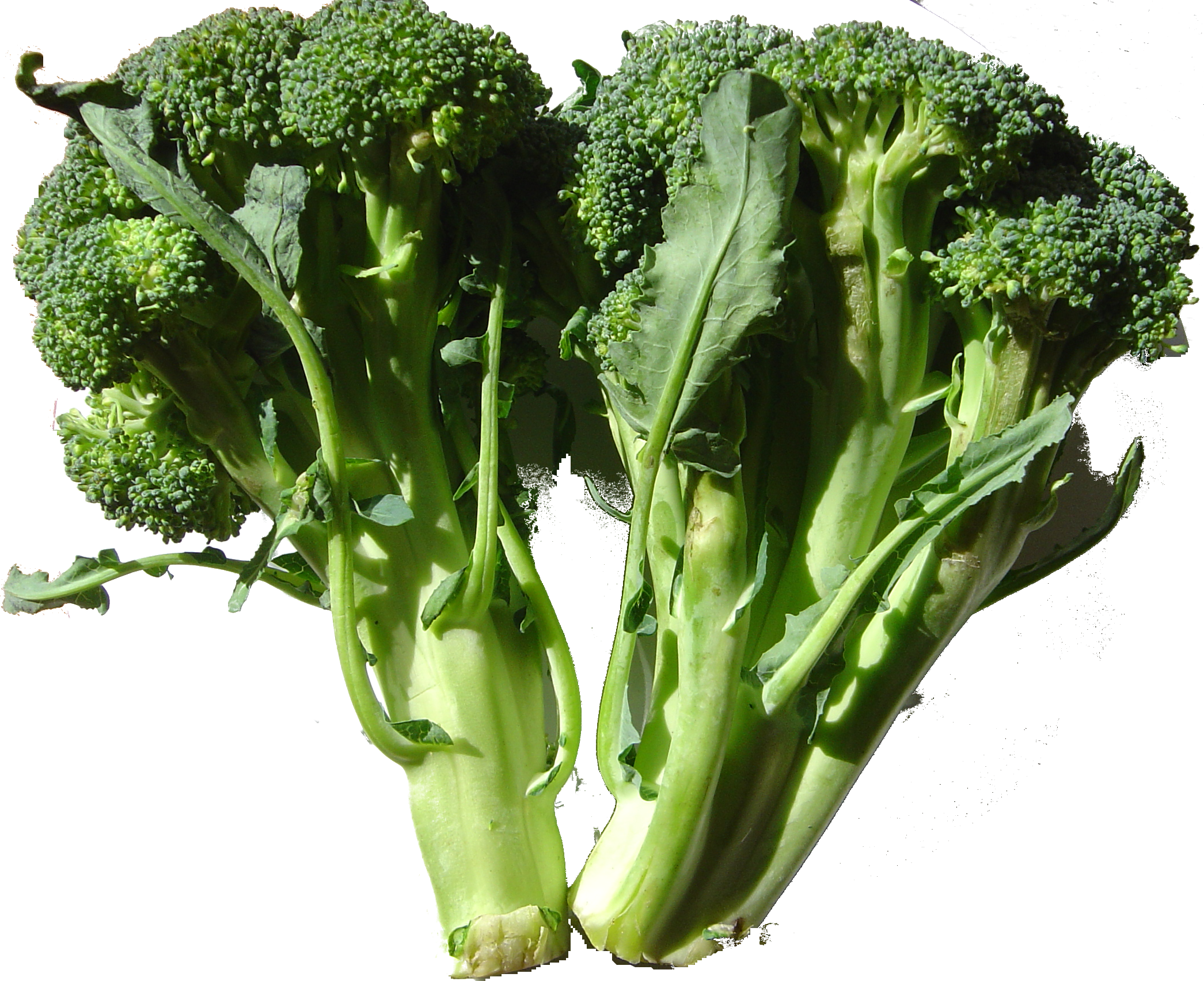
Vitamin C, for example, comes from more foods than just oranges. One cup of capsicum (bell pepper) contains 117mg of vitamin C, a cup of broccoli has around 101mg, and a cup of pineapple has around 79mg of vitamin C, for example. A medium orange has around 70mg of vitamin C. But remember to store vitamin C-rich foods properly, and to buy them as fresh as possible! Left to sit out, broccoli can lose 80% of its vitamin C in six days, but refrigeration or freezing can reduce these losses. Folate is also found in a wide range of foods. A cup of lentils contains around 358ug of folate; a cup of asparagus contains around 268ug and a cup of spinach has around 262ug. Broccoli is also high in folate, with about 168ug per cup. Like vitamin C, the amount of folate that you actually get when you eat it depends on cooking and storage methods. A cup of cooked asparagus from the fresh vegetable is expected to have over 265ug, but the same quantity of canned asparagus would have around 170ug. It is, however, quite stable during refrigeration. Potassium is a widespread, common mineral, which we need for many biological functions. It is found in many foods such as spinach, fennel, kale, tomatoes, carrots, sweet potatoes, paw paw (papaya) and, of course, bananas. You don't have to take one or two dozen supplements to fight aging; there are some things you can do today just with diet and lifestyle.

Tuesday, 1 November 2016

Growing Your Own Herbs

If you are new to natural health or self-sufficiency, growing some of your own herbs for cooking and home remedies is a great place to start (or you can be experienced, but interested anyway). Much of our intellectual, spiritual and emotional development as humans has come about because of a millennia-long relationship with plants, which the more recent, but still outdated, "better living through chemistry" philosophy has caused many of us to forget. But herbs can still do more than just look pretty in your house or on a plate, if you care for them correctly.

One of the most essential factors in growing your own herbs is sun exposure. Most will need at least 4-6 hours of sunlight a day, which varies by their origin and the climate in your region. If you're growing them on a windowsill or balcony, it is best to have them facing south or southwest; east or west is okay, but north-facing windows or balconies are least preferred. The majority of herbs can also thrive in containers, but it is essential to use ones that are well-drained and are at least 25 centimetres, or 10 inches, in depth. Otherwise, there are many different items you can use to make cute containers, as long as they are large enough and have drainage holes cut into them.
Source: Sean Freese

It is also best to group together herbs with similar needs. For example, basil, parsley and fennel are sometimes known as "vegetable culture herbs", which need to be watered well in summer and fed with fertilisers containing vegetable-appropriate levels of nitrogen. "Mediterranean climate herbs" include chamomile, sage and oregano. These need very well-drained soil and do best with mushroom compost and sometimes an annual application of lime. Mint, lemon balm and watercress are some "ample summer moisture herbs" that also thrive the best in high-nitrogen (vegetable appropriate) soil and should not be allowed to dry out (surface mulching may be advisable). With short-lived herbs, you can also save seeds.

So which herbs should you grow? Many have their own health benefits, so it is a matter of personal preference. For example, rosemary may boost memory, improve circulation and even help prevent age-related macular degeneration. Oregano can improve immunity and fight some bacteria and viruses. Paprika, made from chilli peppers, may fight the H. pylori bacteria that cause stomach ulcers. Additionally, apigenin, a phytochemical in parsley, has even been found to prevent colon cancer. Although the studies which show these results would be using extracts more potent than culinary use, growing and using your own herbs may help with general health maintenance and complement treatment plans made by naturopaths and other practitioners.